What is the Best Air Permeability Tester for Accurate Results?
In the world of material testing, selecting the right equipment is crucial. The Air Permeability Tester stands out for its accuracy and reliability. Dr. Emily Carter, a leading expert in textile engineering, states, "The right air permeability tester can reveal much about a fabric's quality." This statement highlights the importance of precision in testing methods.
Air permeability is essential in various industries, including textiles, packaging, and construction. Each sector requires specific testing standards to ensure product efficiency and safety. The challenges arise when choosing a tester; factors such as calibration and adaptability must be carefully considered. Some testers may deliver inconsistent results, leading to potential quality control issues.
Investing in a high-quality Air Permeability Tester can significantly impact product outcomes. However, it is vital to reflect on the testing conditions, as they can affect airflow results. Inaccuracies may arise from environmental factors, so continuous improvement and equipment maintenance are necessary. Balancing reliability with innovation is key in this evolving field.

Understanding Air Permeability Testing and Its Importance
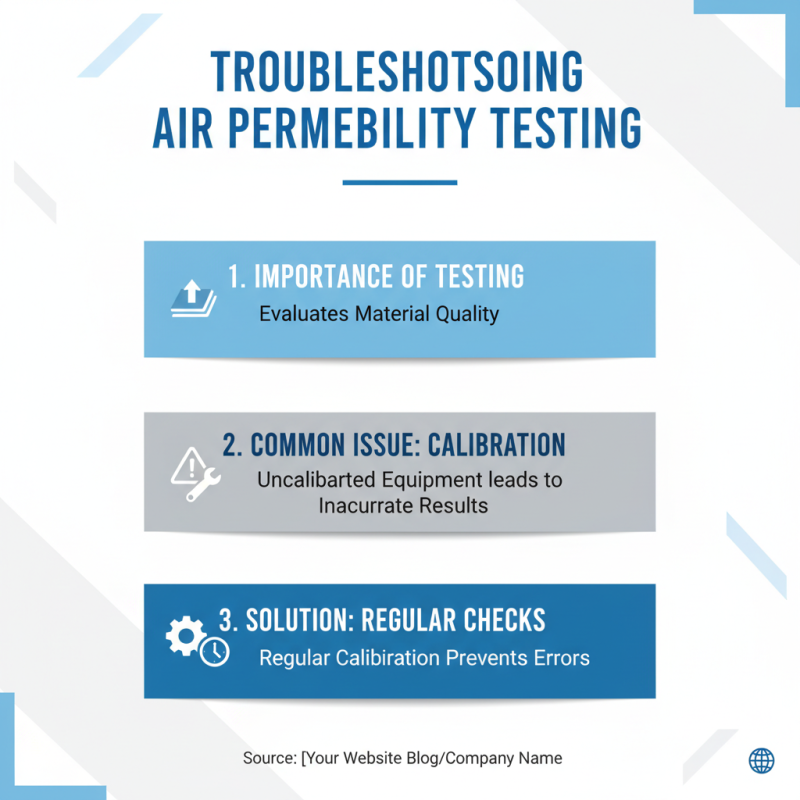
Air permeability testing is crucial for various industries, including textiles, packaging, and construction. This process evaluates how air moves through a material. Understanding air permeability holds significant implications for product performance and durability. For instance, a fabric with optimal air permeability can enhance comfort in clothing. Packaging materials benefit from these tests to ensure freshness and longevity of products.
The accuracy of air permeability testers greatly influences test outcomes. A reliable tester should be easy to calibrate and provide repeatable results. However, many testers may face challenges such as user error or inconsistent environmental conditions. Proper training and consistent maintenance are essential to mitigate these issues. Some professionals report variability in results due to different testing standards and methods, urging a need for standardization within the industry.
In addition to testing methods, more research is needed into the implications of air permeability. Factors like humidity and temperature can affect test results and should not be overlooked. This highlights the importance of using trusted methods and understanding limitations. Experts encourage collaboration between manufacturers and researchers to advance knowledge in this area.
Key Features to Look for in an Air Permeability Tester
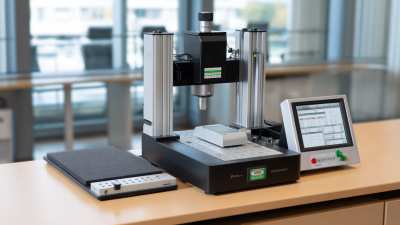
When selecting an air permeability tester, several key features are essential for securing accurate results. First, look for devices with adjustable test parameters. These allow for varied material types and thicknesses, ensuring flexibility in testing different samples. An intuitive interface can further enhance usability, making it easier to operate without extensive training.
Consider the accuracy of the measurement. A tester that offers precise readings with minimal variance is crucial. Consistency in results establishes reliability in your data. Features like automatic calibration can boost accuracy as well. The capability of handling environmental factors is also important. Testers that operate well under varying humidity and temperature conditions will provide more dependable outcomes.
Tips: Always consider calibration frequency. Over time, testers may drift from their accurate readings. Regular checks are vital. Also, if possible, seek out user reviews or testimonials. Valid experiences can shed light on potential drawbacks and benefits of different models. Lastly, don't overlook the importance of support and resources. A user-friendly guide can make a significant difference in your testing experience.
Air Permeability Tester Comparison
Comparison of Top Air Permeability Testers on the Market
When selecting an air permeability tester, it’s essential to evaluate key features that affect accuracy. Many professionals rely on data from industry reports indicating that precise measurements can impact product performance significantly. A report by the International Society of Air Permeability Testing shows that less than 1% variation in results can alter assessments of material efficiency.
In the vast market, testers vary in methodology and precision. There are typically two main types: differential pressure and constant flow testers. A study revealed that differential pressure testers often yield more reliable results in controlled environments. However, they may not fully account for external influences, which could lead to misleading outcomes. Conversely, constant flow testers are praised for their ease of use, yet many users report inconsistent readings in varying humidity conditions.
Choosing the right air permeability tester requires an understanding of specific needs. Many users recommend conducting side-by-side testing with different devices. Variability in results might arise from calibration inconsistencies or environmental factors. A critical review of performance data can help professionals make informed decisions while acknowledging that no single tool is perfect for every situation.
What is the Best Air Permeability Tester for Accurate Results?
| Tester Model |
Measurement Range |
Accuracy |
Display Type |
Price (USD) |
| Model A |
0.1 - 500 cm³/m²/s |
±3% |
Digital LCD |
$500 |
| Model B |
0.01 - 1000 cm³/m²/s |
±2% |
Touchscreen |
$750 |
| Model C |
0.1 - 700 cm³/m²/s |
±5% |
Analog |
$300 |
| Model D |
0.05 - 1500 cm³/m²/s |
±1% |
Digital LCD |
$900 |
| Model E |
0.1 - 2000 cm³/m²/s |
±2% |
Digital OLED |
$650 |
Best Practices for Accurate Air Permeability Measurements
To achieve accurate air permeability measurements, it is essential to follow certain best practices. Begin by ensuring the testing environment is controlled. Fluctuations in temperature or humidity can skew results. Consistency in ambient conditions is critical for reliable data. Using calibrated instruments that have been regularly maintained increases accuracy. Proper calibration helps in minimizing measurement errors.
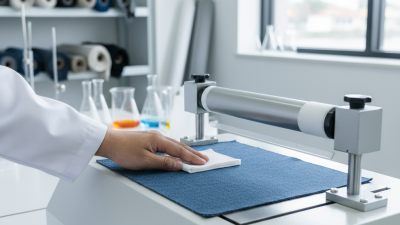
Another key aspect is sample preparation. Ensure that the samples are free from debris and installed correctly in the testing apparatus. Any obstruction can affect air flow and lead to incorrect readings. Take multiple measurements to account for variability in results. This ensures a more reliable average and helps identify any outliers.
Documenting each step during testing is essential for transparency. Record all conditions, equipment used, and measurements taken. This practice enables better analysis and replication of results. Reflect on each process to find areas for improvement. Continuous evaluation of your methodology can lead to enhanced accuracy over time. Embracing feedback and adapting practices based on findings will promote ongoing refinement in air permeability testing.





 Home
Home