What is the Best Water Vapor Transmission Tester for Your Needs?
In various industries, understanding the water vapor transmission rate is crucial. This rate measures how much moisture passes through materials like films and coatings. As per a recent report by Research and Markets, the global market for water vapor transmission testing is projected to grow steadily. This growth correlates with increased demand in pharmaceuticals, food packaging, and construction sectors.
A good Water Vapor Transmission Tester is essential for ensuring product quality and compliance. For instance, ASTM standards highlight how accurate testing can prevent failures in barrier performance. Yet, some testing devices lack sensitivity or reliability. It's important to choose a tester that meets your specific needs.
Different industries might require different testing methods. Some applications demand high precision. Others might be more lenient. It’s not just about selecting a tester; it’s about aligning with industry standards and goals. Investing in a high-quality Water Vapor Transmission Tester will ultimately save time and resources. Ensuring thorough evaluations may reveal gaps in current methods that need addressing.

Understanding Water Vapor Transmission and Its Importance
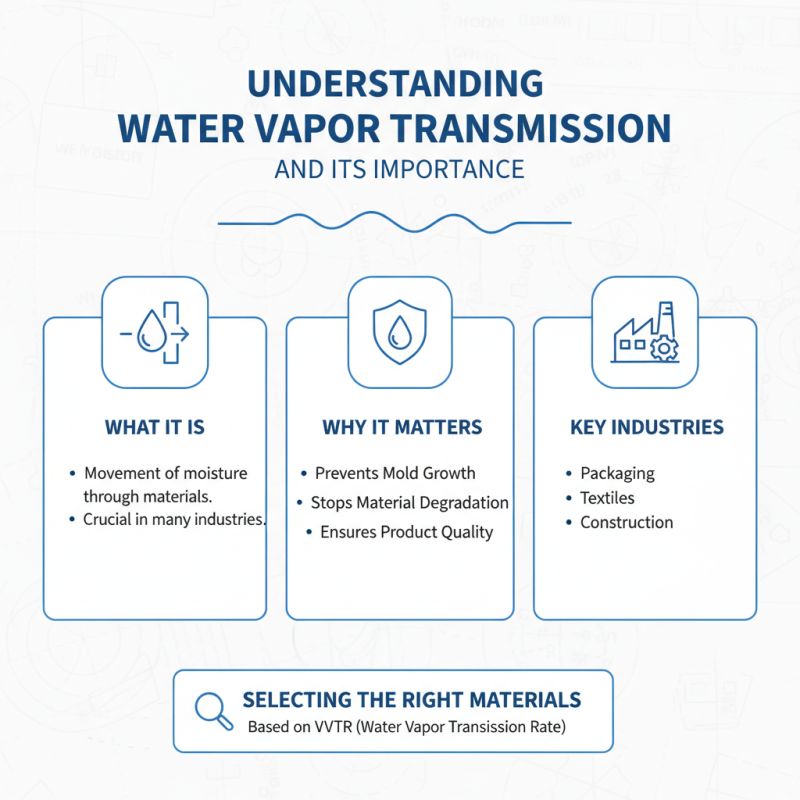
Understanding water vapor transmission is crucial in various industries. It refers to the movement of moisture through materials. This is especially important in packaging, textiles, and construction. Excessive moisture can lead to mold growth and material degradation. Therefore, knowing a material's water vapor transmission rate helps manufacturers select the right products.
Several factors influence water vapor transmission. These include temperature, humidity, and the type of material. Testing methods vary, but accurate results are essential for quality control. Some testing methods require advanced equipment, while others are more straightforward yet less precise. It’s vital to weigh the benefits and drawbacks of each approach. When making decisions, consider the specific requirements of your project.
Understanding the importance of water vapor transmission helps you make informed choices. Each application demands a different level of moisture control. An informed selection leads to better product performance and longevity. Take the time to research the best options available. Be mindful of your choice, as it can significantly affect your outcomes.
Types of Water Vapor Transmission Testers Available on the Market
When choosing a water vapor transmission tester, it’s essential to understand the types available. There are three main types: volumetric, gravimetric, and electric sensor testers. Volumetric testers measure the amount of water vapor passing through a material over time. Gravimetric testers weigh the material before and after exposure to moisture. Electric sensor testers utilize electronic devices to measure changes in humidity.
Reports indicate that gravimetric methods are highly reliable. They often give precise measurements. However, these testers can be slower and require careful calibration. In contrast, volumetric testers can provide quicker results but may lack the precision of gravimetric methods. Electric sensors are excellent for continuous monitoring, but they may be influenced by environmental conditions.
Tips: Consider what you need most: speed, accuracy, or continuous data. It might be worth investing in multiple testers if your projects vary significantly. Regularly review calibration practices to ensure data reliability. Choosing the right tester depends on specific requirements and the accuracy needed for particular applications. Be mindful of potential manufacturer differences in accuracy and design. Always evaluate if the test conditions match your intended use.
What is the Best Water Vapor Transmission Tester for Your Needs?
| Tester Type |
Measurement Range |
Accuracy |
Typical Applications |
Price Range (USD) |
| Cup Method Tester |
0.01 to 10 g/m²/day |
± 5% |
Films, Coatings |
500 - 1500 |
| Dynamic Tester |
0.1 to 20 g/m²/day |
± 3% |
Packagings, Textiles |
1000 - 3000 |
| Desiccant Method Tester |
0.01 to 15 g/m²/day |
± 4% |
Barrier Materials |
750 - 2000 |
| Infrared Tester |
0.1 to 25 g/m²/day |
± 2% |
Foils, Laminates |
1500 - 3500 |
| Accelerated Test Chamber |
0.01 to 30 g/m²/day |
± 5% |
Construction Materials |
5000 - 10000 |
Key Features to Consider When Choosing a Water Vapor Tester
When selecting a water vapor transmission tester, several key features come into play. The precision of measurement is crucial.
Ensure the device offers high accuracy. Look for models that deliver consistent results in various temperature and humidity levels. This ensures reliability across different testing environments.
Another important factor is user-friendliness. A simple interface can save time during testing. Complex machines can lead to errors. Opt for testers with clear displays and straightforward instructions. This will ease the learning curve for new operators.
Tips: Always check the calibration history of the device. Well-calibrated equipment provides trustworthy results. Additionally, consider portability if field testing is required.
Compact models offer flexibility and ease in transport. Remember, not all environments are the same. Testing may reveal unexpected results, prompting further investigation. Use those findings to refine your process for better outcomes.
Comparative Review of Leading Water Vapor Transmission Testers
When choosing a water vapor transmission tester, it’s crucial to assess features that best meet your needs. Different devices offer varying levels of accuracy and efficiency. Some testers excel in high humidity environments, while others might be more suitable for stable, lower humidity conditions. Understanding these distinctions can significantly impact the reliability of your results.
Comparing leading testers reveals notable differences in their methodologies. Some utilize dynamic vapor sorption, while others may rely on gravimetric methods. Each has its benefits and drawbacks. For instance, gravimetric methods can provide precise readings but may take longer. In contrast, dynamic methods offer quicker responses but could potentially sacrifice some accuracy.
Reflecting on these elements is necessary before purchasing. Are you prioritizing speed or accuracy? Perhaps you need a model that can handle various materials effectively. Investing time in understanding your specific testing needs will ultimately guide you towards the best tool for your applications. Consider how often you will use the device and the range of materials you need to analyze.
Water Vapor Transmission Testers Comparison
Guidelines for Selecting the Right Tester for Specific Applications
Selecting the right water vapor transmission tester is crucial for specific applications. Consider your material types and the precise moisture barrier requirements. Different industries have varying standards, which affect the choice of tester. For instance, packaging materials often require precise readings to ensure product integrity.
Tips for choosing include checking the tester's sensitivity. A more sensitive instrument can detect smaller moisture levels, which is beneficial for high-performance materials. Always refer to industry-specific guidelines to ensure compliance. Understanding the environmental conditions during testing is also vital. Temperature and humidity can significantly influence results.
Keep in mind that no single tester fits all needs. Sometimes, a more affordable option might not provide the depth of information required for critical applications. Re-evaluate your testing methods periodically. This reflection can lead to better insights and improved operational efficiency. Reliable data is essential for making informed decisions.





 Home
Home