How to Choose the Best Cof Testing Machine for Your Needs?
Choosing the right Cof Testing Machine is crucial for quality assurance in manufacturing. According to industry reports, up to 70% of product failures can be traced back to poor adhesive performance. This statistic emphasizes the importance of reliable testing equipment. The right machine can significantly impact the longevity and performance of your products.
Efficient testing ensures that materials meet industry standards. The Cof Testing Machine evaluates adhesive strength, providing essential data for product development. Many manufacturers face challenges in selecting the best equipment. They often overlook specific needs such as workload capacity and testing accuracy.
In recent years, the demand for advanced testing machines has surged. The market is projected to grow at a rate of 5% annually. Manufacturers must consider factors like technology and maintenance. Seeking professional advice can lead to better decision-making. A mismatch between testing needs and equipment capabilities could result in costly errors. Selecting the best Cof Testing Machine requires careful evaluation and a clear understanding of unique production requirements.
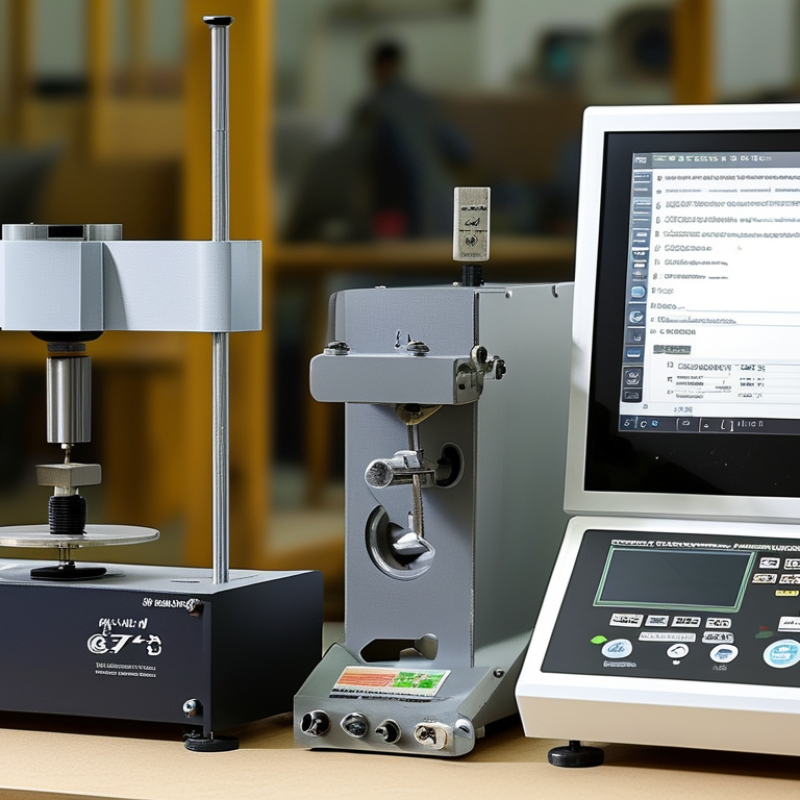
Understanding the Importance of Cof Testing Machines
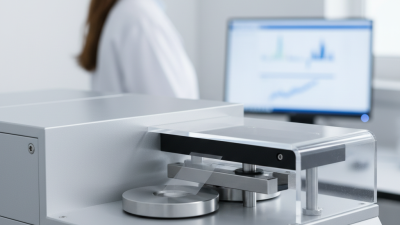
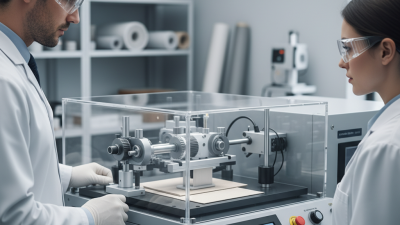
Cof testing machines play a crucial role in many industries. They help ensure materials and products meet specific safety and performance standards. Understanding the working principle of these machines is vital. They measure the coefficient of friction between surfaces, aiding in everything from packaging to furniture manufacturing. Reliable test results can significantly impact product quality and customer satisfaction.
In choosing a Cof testing machine, consider the materials you will test. Different machines handle various surfaces and conditions. Evaluate the machine's sensitivity and accuracy. A reliable machine should provide consistent results under varying conditions.
Think about your production demands. The testing speed and efficiency of the machine can affect overall workflow. Sometimes, a more advanced machine may not be necessary for smaller operations. Reflect on your needs and budget before making a decision.
When operating a Cof testing machine, calibrate it often for reliable results. Regular maintenance can prevent unexpected errors. Ensure your staff is trained and understands the equipment fully. This helps in avoiding mistakes and ensures accurate readings. Timely calibration and proper training are essential for optimal performance.
Key Features to Consider When Choosing a Cof Testing Machine
When selecting a Cof testing machine, key features play a vital role. Accuracy is fundamental. A precise machine ensures reliable test results, which directly impact product quality. Calibration standards should be adhered to. This ensures that the data you receive reflects true conditions.
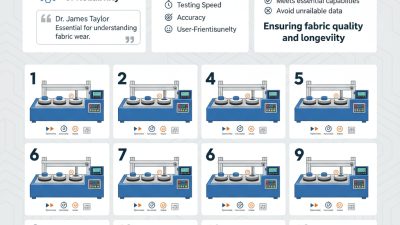
Control and flexibility are also crucial. Some machines offer various test settings. This versatility can help address multiple material types efficiently. It’s important to consider if the machine can handle your specific requirements. Keep in mind that ease of use matters. A user-friendly interface can save time and reduce errors in testing.
Another aspect worth reflecting on is the available support and resources. Training and maintenance options can significantly influence your choice. Reliable technical support can make or break your experience. Evaluate these factors carefully. The right machine should not only meet your current needs but also adapt to future demands.
Different Types of Cof Testing Machines Available in the Market
Cof testing machines are essential for assessing the quality of packaging and preventing product damage. Various options exist in the market today. Each type serves specific purposes and industries. Some of the most common machines include peel testers, shear testers, and tensile testers. Each type measures different strength parameters necessary for ensuring product integrity.
Peel testers focus on adhesive strength. They assess how well materials bond to surfaces. According to a recent industry report, nearly 40% of packaging failures are due to inadequate adhesive properties. Shear testers evaluate how materials withstand forces parallel to their surfaces. This is crucial in sectors like automotive and electronics, where joint integrity is vital. Tensile testers measure the resistance of materials when pulled apart. This type of testing is pivotal in industries like textiles and plastics.
Choosing the right machine is not straightforward. Understanding your specific needs is crucial. Factors such as material types, testing standards, and desired accuracy must be considered. It’s also important to evaluate the machine's ease of operation and maintenance requirements. A balance between precision and user-friendliness can save significant time and resources. Reflecting on these aspects can help guide the selection process effectively.
Evaluating the Accuracy and Reliability of Cof Testing Machines
When evaluating the accuracy and reliability of Coefficient of Friction (Cof) testing machines, it’s essential to consider several factors. Precision is key in any testing equipment, as inaccuracies can lead to flawed production processes. A recent study indicated that up to 15% of production defects are linked to improper Cof measurements. This highlights the importance of selecting a machine that consistently delivers reliable data.
Calibration of testing machines plays a notable role in their accuracy. Regular calibration ensures that the equipment provides consistent readings. Many experts recommend monthly calibration checks to maintain device integrity. Ignoring this step can result in an increased margin of error, potentially compromising product quality.
When choosing a Cof testing device, look for machines that offer features for enhanced reliability. Many models come with built-in data logging and reporting tools. This allows for tracking performance over time and identifying patterns in accuracy issues. Taking a proactive approach to maintenance can reduce the chances of unexpected equipment failure and improve testing outcomes. Always ensure the machine complies with industry standards, as this reflects a level of quality assurance.
Evaluating the Accuracy and Reliability of Cof Testing Machines
This bar chart represents the evaluation of accuracy and reliability ratings of various cof testing machines based on user feedback and performance metrics.
Budget Considerations for Purchasing a Cof Testing Machine
When considering a COF testing machine, budget plays a crucial role. The cost can vary significantly based on features, precision, and brand reputation. Before diving in, outline your specific testing needs. Know what parameters matter for your application. This clarity can help narrow down potential machines without overspending.
Look at the total cost of ownership, not just the initial price. Maintenance fees, possible upgrades, and operational costs can add up. Investing in a slightly higher-priced model may save you money in the long run due to durability and reliability. Remember, cheaper options may lack precision. For critical tests, quality is paramount. Evaluate if a lesser-known machine can provide equally reliable results.
Purchasing a COF testing machine is not just about numbers. Seek out reviews or consult experts. Learning from others’ experiences can illuminate nuances you might miss. Reflect on your choice, ensuring it aligns with both present and future needs. The right machine should serve your long-term goals, not just fit your immediate budget.
How to Choose the Best Cof Testing Machine for Your Needs? - Budget Considerations for Purchasing a Cof Testing Machine
| Model |
Price (USD) |
Testing Speed (Cycles/Hour) |
Accuracy (%) |
Warranty (Years) |
| Model A |
$2,500 |
60 |
98 |
2 |
| Model B |
$3,200 |
75 |
95 |
3 |
| Model C |
$4,000 |
50 |
99 |
5 |
| Model D |
$1,800 |
55 |
97 |
2 |





 Home
Home