• facebook
  • youtube
  • linkedin
Leave Your Message

How to Choose the Right Textile Testing Machine for Your Needs?

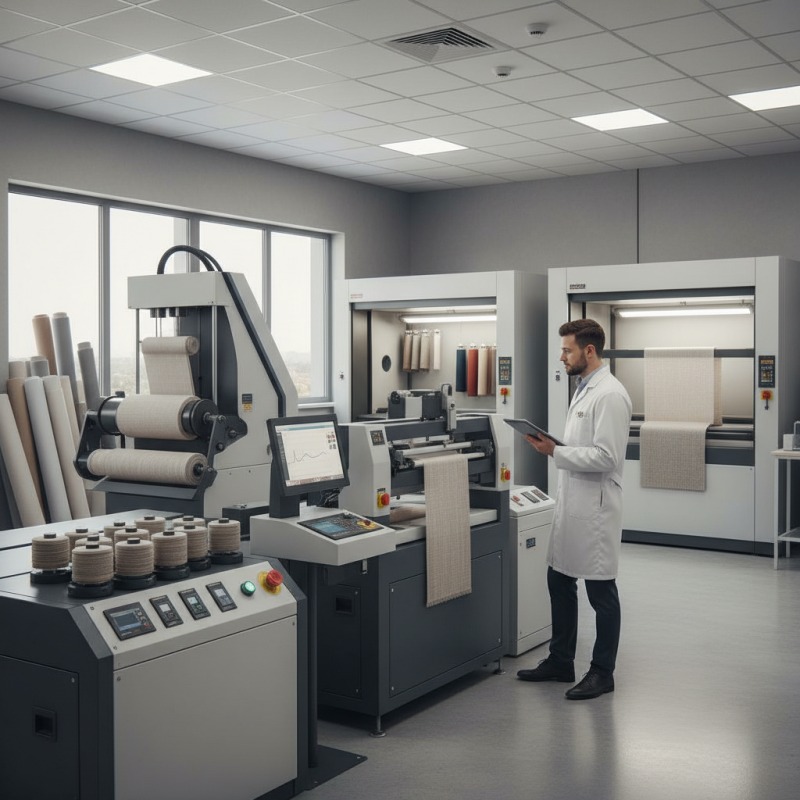
Choosing the right Textile Testing Machine can be challenging. With so many options available, the selection process requires careful consideration. Different textile applications demand specific testing capabilities. If you work in textiles, understanding these needs is essential.

Several factors influence your choice. Think about the types of textiles you test. Consider the features that matter most for accuracy and efficiency. Each machine has unique specifications. Some may suit high-volume production, while others cater to specialized tests. It’s crucial to match the machine to your specific requirements.

Budget is another significant factor. High-end machines offer advanced features but may exceed your budget. Alternatively, cheaper models might not provide the accuracy you need. Balancing cost and capability is vital. Take time to evaluate options. Reflect on your long-term testing requirements. A well-chosen Textile Testing Machine can enhance your operations significantly.

How to Choose the Right Textile Testing Machine for Your Needs?

Understanding the Importance of Textile Testing in Quality Control

How to Choose the Right Textile Testing Machine for Your Needs?

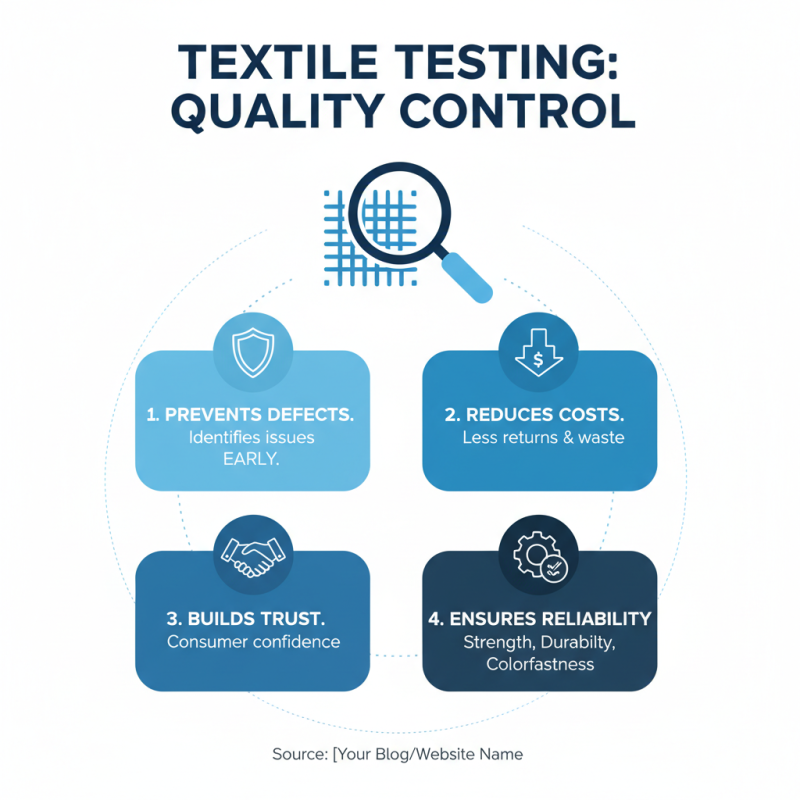
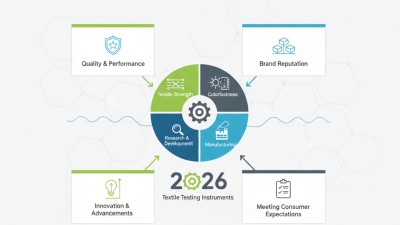
Textile testing is crucial in ensuring quality control across various fabric industries. It helps identify defects before products reach the market. Quality testing prevents costly returns and dissatisfaction. It also builds reliability and confidence among consumers. By analyzing strength, durability, and colorfastness, manufacturers can spot issues early.

Understanding the specific requirements of your textiles helps tailor the testing process. It's important to assess fabric types and intended uses. Sometimes, generic tests may not suffice. Relying only on standard procedures can omit crucial defects unique to specific textiles. Hence, regular review and adjustment of testing parameters are essential.

Moreover, the choice of testing machinery impacts accuracy and efficiency. Machines should suit both current and future needs. Limited budgets often lead to compromises, but investing in quality devices pays off in the long run. Inadequate testing can lead to catastrophic brand damage. Thus, meticulous selection of testing machines should reflect a commitment to quality.

Key Types of Textile Testing Machines and Their Applications

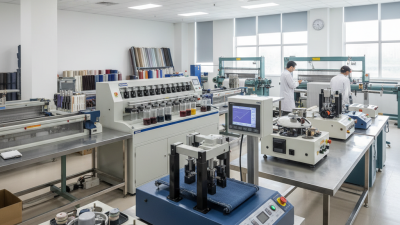
Choosing the right textile testing machine is crucial. Different types serve various functions. Some are designed for strength testing, while others focus on colorfastness. For instance, tensile testers measure how much force a fabric can withstand before breaking. They offer precise data, which is vital for quality assurance.

Colorfastness testers assess how well fabrics hold dye under different conditions. These machines simulate washing, light exposure, and rubbing. Results help manufacturers ensure their products maintain color over time. However, operators must be trained to understand nuances in test results.

Another important category includes shrinkage testers. These devices measure how much a textile may shrink after washing. It's essential yet often overlooked. Many manufacturers learn about shrinkage issues only after production. Attention to these details can prevent costly errors later on. Each machine has its place in the textile industry, but proper selection and understanding are key to ensuring efficiency and quality.

Factors to Consider When Selecting a Textile Testing Machine

When selecting a textile testing machine, several factors come into play. The type of fabric is crucial. Different materials require specific tests and equipment. For instance, a machine suited for cotton may not perform well on synthetic fibers. Consider the testing methods available. Some machines perform tensile strength tests, while others measure colorfastness. Knowing your testing needs is vital for effective results.

Another factor is the machine's capacity and features. Think about the volume of testing you anticipate. If it’s high, look for models with advanced automation. This can save time and improve accuracy. The machine should also be user-friendly. A complicated interface can lead to errors and frustration. Selecting a suitable machine often involves trade-offs. Perhaps you need advanced features but have a limited budget.

Lastly, consider the support and maintenance the manufacturer offers. Regular calibration is essential for reliable results. Machines can malfunction or degrade over time. Check reviews and feedback to gauge the experiences of other users. Balancing these aspects requires careful thought. Aim for a machine that aligns with your testing goals, even if it isn't perfect. Each decision should reflect your specific requirements and operational challenges.

Market Trends: Investment in Textile Testing Technology by Industry

The textile industry is witnessing significant shifts. More companies are investing in advanced textile testing technologies. This trend is driven by the need for improved quality control and compliance with industry standards. Businesses recognize that precise testing can enhance product durability and performance.

Investing in the right textile testing machine is essential. Consider your specific needs, such as the types of fabrics you work with. Look for machines that cater to your requirements, whether it's tensile strength, colorfastness, or wash durability.

Tip: Always assess the frequency of use. If you test daily, choose a machine that offers speed and accuracy. Additionally, examine the support and training provided by the manufacturer. It’s crucial to ensure your team can efficiently operate and maintain the equipment.

Another important factor is budget. High-tech machines can be costly. However, consider the long-term savings from reducing waste and increasing efficiency. Reflect on your company's growth potential and select machines that align with future expansion. Choose wisely to meet both current and emerging market demands.

Comparative Analysis of Cost-Effectiveness in Textile Testing Solutions

Choosing the right textile testing machine can be challenging. A critical factor to consider is cost-effectiveness. Various options exist, but not all provide the best value for your needs. The initial purchase price is essential, but maintenance costs also add up over time. Assessing both can lead to more informed decisions.

It’s wise to weigh upfront costs against long-term benefits. Some machines may be cheaper but have high operational costs. Others with a higher price tag might ensure durability and lower maintenance. Analyze the total cost of ownership for each solution. This approach reveals hidden costs that affect fiscal responsibility.

Tips: Always conduct thorough research before purchasing. Look for user reviews and technical specifications. Comparing different machines helps clarify performance levels. Additionally, consider potential upgrades in technology. Investing in newer machines can be advantageous. Reflect on your current and future needs. Are you prepared for unexpected requirements? Addressing these questions early on can save you money later.