How to Choose a COF Testing Machine in 2026?
Choosing the right Cof Testing Machine in 2026 requires more than comparing prices, screen sizes, or advertised accuracy. A reliable machine must measure the coefficient of friction consistently under real production conditions. Packaging films, paper, laminates, and coated materials may respond differently to humidity, temperature, surface texture, and test speed. A machine that performs well in a dry laboratory may produce different results beside a converting line. That difference matters.
Experienced quality teams examine the complete testing process. They check whether the instrument supports static and kinetic friction measurements, controlled sled movement, adjustable speed, and clear data recording. Load-cell stability is important, but so are sample alignment and operator guidance. Even a small wrinkle in a film specimen can distort the result. Calibration records, repeatability data, and traceable reference materials should be available before purchase. Ask for evidence, not confident promises.
The best choice also fits the people using it. A simple interface reduces training errors, while software export helps connect test results with production records. Service response, spare parts, warranty terms, and regional technical support deserve equal attention. Some buyers focus heavily on resolution and overlook maintenance. We have seen how that mistake can quietly increase downtime. No instrument is perfect. A thoughtful evaluation should include weaknesses, not only impressive specifications. This guide explains the practical questions, technical details, and verification steps that can help you select a dependable Cof Testing Machine for modern quality control.
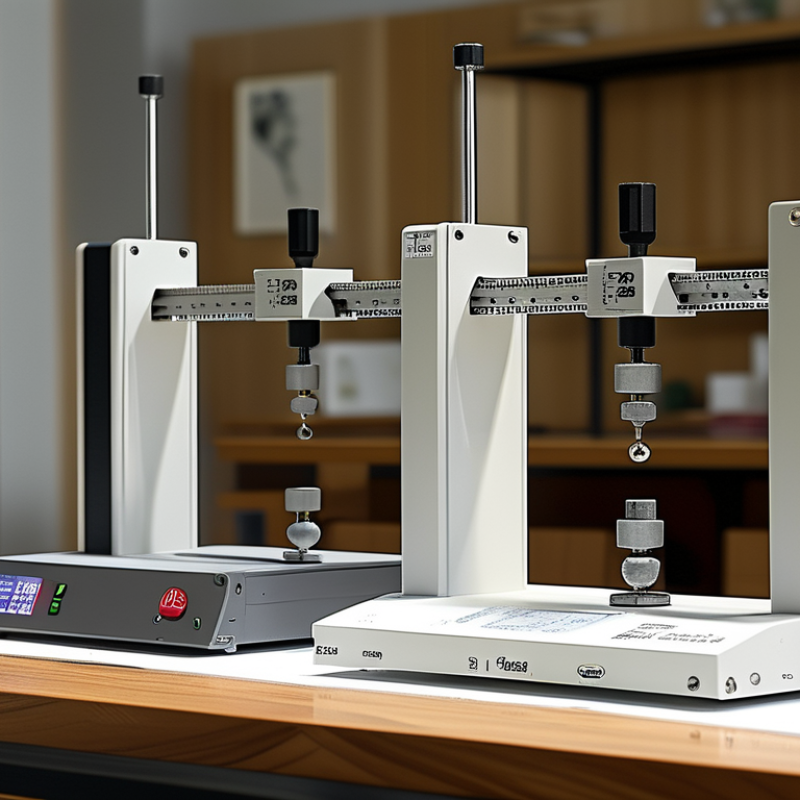
What a COF Testing Machine Measures and Why It Matters
How to Choose a COF Testing Machine in 2026?
A coefficient of friction (COF) testing machine measures how easily two surfaces slide against each other. It reports static COF, needed to start movement, and kinetic COF, measured during sliding. The result is usually a dimensionless ratio. Lower values indicate easier sliding. Higher values suggest greater resistance. In a packaging laboratory, technicians place a film sample on a flat sled, apply a controlled load, and record force against distance. Small changes matter. Surface texture, humidity, contamination, and test speed can shift results.
COF directly affects packaging-machine performance. Excessive friction can cause film jams, wrinkles, poor stacking, or inconsistent sealing. Very low friction can create unstable stacks and uncontrolled feeding. Smithers’ The Future of Global Flexible Packaging to 2029 forecasts continued growth in flexible packaging demand, increasing the need for repeatable surface testing. Grand View Research also reports that the global flexible packaging market was valued above 250 billion US dollars in 2022. More film means more opportunities for friction-related variation.
Choose a machine supporting ASTM D1894 and ISO 8295 procedures. Check load accuracy, sled alignment, travel speed, environmental control, and software traceability. Ask whether calibration records are easy to verify. Test several production lots, not only one perfect sample. That is where mistakes appear. A machine with impressive specifications may still produce weak data if operators overlook conditioning time or sample direction. Reliable selection combines published specifications, practical trials, and trained human judgment.
Key Specifications to Compare Before Buying a COF Tester
How to Choose a COF Testing Machine in 2026?
Key Specifications to Compare Before Buying a COF Tester
A reliable COF tester should match your material, standard, and production risks. ASTM D1894 uses a 200 g sled and a test speed of 150 mm/min. ISO 8295 specifies different conditions, including a commonly used speed of 100 mm/min. These settings can change the result. Confirm whether the instrument supports static and kinetic coefficients of friction separately. One number is not enough.
Check the load cell range, resolution, and calibration traceability. A sensitive sensor helps detect small changes between film batches, coatings, or paper surfaces. Look for repeatability data, not only impressive accuracy claims. ASTM D1894 and ISO 8295 both emphasize controlled contact conditions, so the tester should maintain stable speed and sled pressure. A variable-speed drive is useful when your internal method differs from a standard method.
Temperature and humidity can influence polymer film behavior. Choose a chamber or controlled test area when your materials absorb moisture or soften with heat. The software should record force curves, peak force, average force, and test conditions. Exportable raw data matters during audits. It also supports better laboratory comparisons.
A perfect number can still be wrong. Dirty sleds, uneven specimens, or trapped dust may distort results. I would inspect the fixture design before trusting advanced software. ISO 8295:1995 and ASTM D1894 remain practical references, but neither replaces method validation for your specific product. Allow time for operator training and repeated trials. That part is often underestimated.
How to Match the Machine with Materials and Test Standards
Choosing a COF testing machine in 2026 requires more than checking measuring range. The material decides the test design. For plastic films, ISO 8295 and ASTM D1894 commonly measure static and kinetic COF with a sled. Paper, coated board, rubber, and textured laminates may require different sled faces, loads, or surface conditioning. A mismatch can produce precise but misleading results.
Smithers’ The Future of Flexible Packaging to 2029 estimates that flexible packaging will exceed 350 billion dollars in global value by 2029. This growth increases demand for repeatable film testing across production sites. PMMI’s 2024 packaging trends research also highlights stronger automation and quality-control requirements. Therefore, the machine should support programmable speed, controlled humidity, data export, and traceable calibration. Do not select a model only because its force range looks impressive. I have seen teams overlook humidity, then blame the material for unstable readings.
Tips: Write the standard beside every test method. Check whether the machine supports the required sled mass, travel speed, and conditioning time. For films, test both roll and cross directions when friction may vary. For recycled or rough materials, repeat measurements and record visible surface defects. If your internal method differs from ISO 8295 or ASTM D1894, document the reason. That small note may prevent a large argument later. (Sources: Smithers, The Future of Flexible Packaging to 2029; PMMI, 2024 Packaging Trends.)
How to Choose a COF Testing Machine in 2026?
How to Match the Machine with Materials and Test Standards
The chart shows representative static and kinetic coefficient-of-friction ranges commonly used for test planning across major material groups. Actual results depend on surface finish, additives, humidity, contamination, test speed, load, and material pairing. For flexible films and packaging, ASTM D1894 and ISO 8295 are widely referenced; paper and paperboard applications commonly use TAPPI T549. Select a machine with controlled load, speed, sled geometry, environmental stability, and software support for the required standard.
Which Features Improve Testing Accuracy and Efficiency
How to Choose a COF Testing Machine in 2026?
A reliable COF testing machine should control speed, load, and sliding distance precisely. Small changes can alter the coefficient of friction significantly. Look for a stable load cell with suitable capacity for your materials. Excess capacity may reduce sensitivity during light-load testing. Adjustable test speed also matters. It helps laboratories compare packaging films, paper, coatings, and other surfaces under consistent conditions.
Pay close attention to fixture alignment and frictionless movement. A slightly tilted sample can produce misleading results. The machine should support recognized ASTM or ISO test methods, with clearly recorded settings. Automatic data capture improves efficiency and reduces transcription errors. Useful software should display static and kinetic COF separately. It should also store raw curves, test dates, operator names, and calibration records.
Environmental control can improve repeatability. Temperature and humidity may affect flexible films and textured surfaces. A chamber is valuable when testing materials used in changing climates. Regular calibration remains essential, even with advanced software. No instrument removes every source of error. Sample preparation still requires discipline. In practice, rushed conditioning or uneven cutting can damage otherwise accurate testing. I would also question systems that promise perfect repeatability. Real materials vary, and a machine should reveal that variation rather than hide it. Shorter test cycles are helpful, but only when they preserve the required measurement resolution.
How to Evaluate Budget, Maintenance, and Long-Term Value
How to Choose a COF Testing Machine in 2026?
How to Evaluate Budget, Maintenance, and Long-Term Value
Choosing a coefficient of friction (COF) testing machine requires more than comparing purchase prices. A low-cost unit may need frequent calibration, manual adjustments, or replacement sensors. These interruptions can quietly exceed the original savings. Ask for calibration records, measurement repeatability, software support, and spare-part availability. A clear service agreement also matters when production deadlines are tight. During practical evaluations, watch how quickly an operator can mount film, paper, or packaging samples. Small handling delays become expensive after hundreds of tests.
Tips: Build a five-year cost sheet. Include purchase, training, calibration, repairs, consumables, electricity, and possible downtime. Request a sample report before buying. It should show friction values, test speed, load, temperature, and operator details. Do not accept vague claims about accuracy. Ask how accuracy was verified.
Long-term value depends on useful data, not impressive features. Select a system with stable fixtures, intuitive controls, traceable results, and export options that fit your quality process. A machine that supports preventive maintenance is easier to trust. Still, no model removes human error. Operators can misalign samples or test unsuitable surfaces. We once treated simple setup as an advantage, then discovered inconsistent results between shifts. That mistake changed our evaluation checklist. Leave room for training, method validation, and periodic review. The best choice may cost more initially, yet remain dependable when materials, staff, and testing requirements change.





 Home
Home