Top 5 Tips for Choosing a Crockmeter Rubbing Fastness Tester?
When selecting a Crockmeter Rubbing Fastness Tester, expertise is essential. Renowned industry expert Dr. Jane Smith emphasizes, "Selecting the right tester can significantly impact the reliability of your results." The accuracy of fabric testing depends heavily on your choice of equipment.
Crockmeters measure how well a fabric resists rubbing and color transfer. However, not all testers are created equally. Some may provide inconsistent results or fail to meet industry standards. This makes informed decision-making crucial.
Investing in a quality Crockmeter Rubbing Fastness Tester means considering various factors such as precision, durability, and ease of use. Checking user reviews and manufacturer credentials can help. A wrong choice can lead to issues down the line. It's worth taking the extra time to understand your options.
Understanding Rubbing Fastness Testing and Its Importance
Understanding rubbing fastness testing is essential for evaluating the durability of fabrics. This test measures how well a color holds up when subjected to friction. It is crucial for industries like textiles, fashion, and upholstery. Fabrics that lose color quickly can lead to customer dissatisfaction.
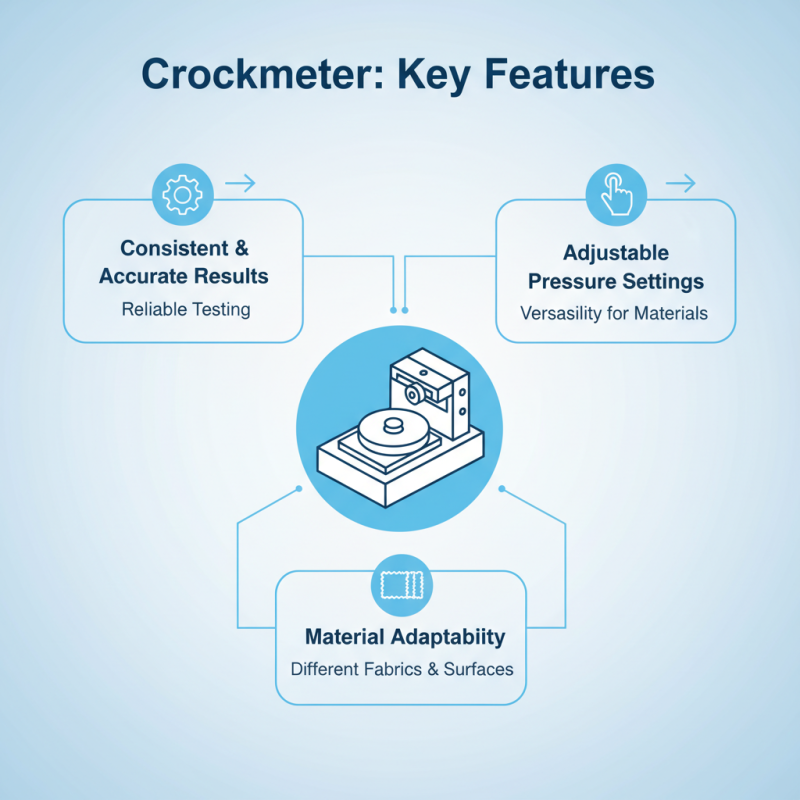
When selecting a crockmeter, accuracy is key. Look for testers that provide consistent results across different fabric types. This ensures reliable data, which is vital for quality control. Calibration is also important. A well-calibrated machine delivers better performance.
Durability matters too. Choose a crockmeter made from robust materials. This investment pays off through longevity and reduced maintenance. Lastly, consider the user-friendliness of the device. Testers that are easy to operate save time and training costs. Effective tools should enhance your workflow rather than complicate it.
Types of Crockmeters: Manual vs. Automated Options
Crockmeters come in two main types: manual and automated. Manual crockmeters require hand-operated movements. They often involve a straightforward design. Users can adjust the pressure and speed according to their testing needs. This approach offers flexibility, but it can lead to inconsistencies. Each operator may apply different pressure, resulting in varied test results.
On the other hand, automated crockmeters provide a standardized method for testing rubbing fastness. They eliminate human error, producing reliable and repeatable results. These machines can be preset for specific conditions, ensuring accurate testing every time. While they require a larger upfront investment, their efficiency can save time and reduce labor costs in the long run. However, some users may find automated models less engaging.
Choosing between manual and automated options depends on your specific requirements. Consider your testing volume, budget, and desired accuracy. Manual models are suitable for smaller operations, while automated ones shine in high-throughput settings. It’s crucial to reflect on these aspects before making a choice, as the decision can impact your testing efficiency and data reliability.
Comparison of Manual vs. Automated Crockmeters
Evaluating Accuracy and Consistency in Test Results
When selecting a crockmeter rubbing fastness tester, accuracy and consistency in test results are crucial. A reliable tester provides measurable data, reflecting true material performance. Start by assessing the machine’s calibration process. Regular calibrations ensure that results remain precise over time. Discussing calibration protocols with the supplier can reveal valuable insights about their commitment to quality.
Another factor influencing accuracy is the testing method used. Some testers offer adjustable pressure settings. This feature allows users to mimic realistic rubbing conditions. It’s important to evaluate whether the tester can adapt to various fabric types. Each material may react differently under pressure, impacting results. Consistency is key in comparative studies.
User feedback can also provide perspective on a tester's reliability. Look for reviews from previous users. These insights highlight any recurring issues. While all machines have limitations, knowing these beforehand allows for informed decisions. A crockmeter is a crucial tool but can never be perfect. Continuous improvement should be the goal, both in human technique and machine performance.
Budget Considerations: Finding Quality within Your Price Range
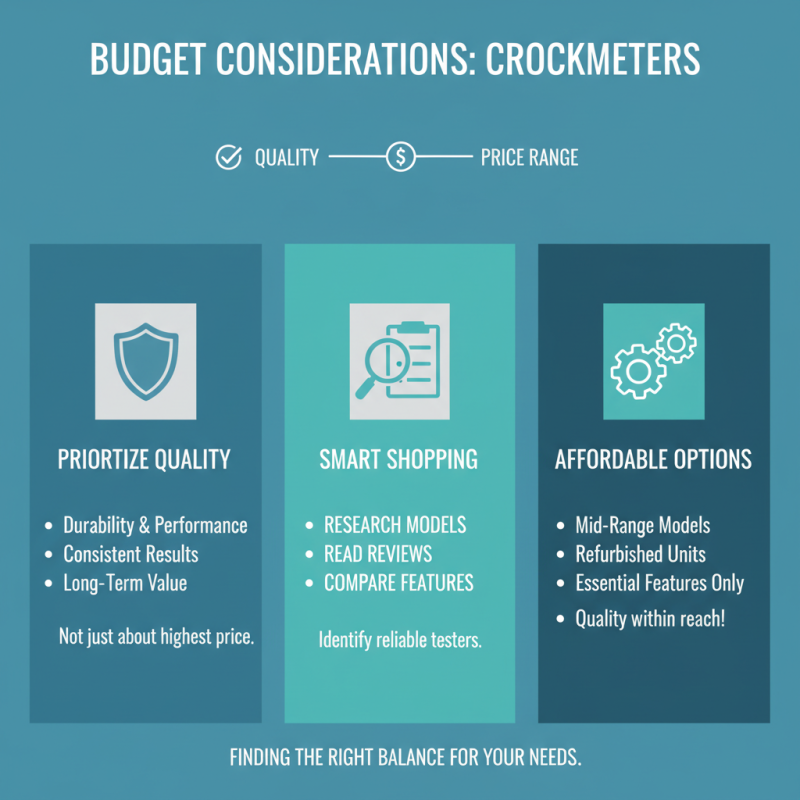
Choosing the right crockmeter can be challenging, especially with varying price points. It’s essential to prioritize quality within your budget. Quality doesn’t always come with the highest price tag. Sometimes, affordable options provide consistent performance. Researching different models is vital. Reading reviews helps identify reliable testers.
Consider your testing needs. If you’re only testing fabrics occasionally, a mid-range tester might suffice. However, frequent use requires a more robust option. Look for testers that offer calibration features. This ensures accurate results. Remember, a cheap model may save money upfront but can lead to inaccuracies.
Consider the warranty and support. A solid warranty provides peace of mind. It shows that the manufacturer stands behind their product. You might find cheaper options lacking in support. Ultimately, the right balance of cost and quality is crucial. Adjusting your expectations can yield better results. Invest time in research to make a well-informed choice.





 Home
Home