How to Choose the Right Coefficient Of Friction Testing Machine?
Choosing the right Coefficient Of Friction Testing Machine is crucial for quality control in various industries. Different applications require specific testing methods to ensure reliable results. A machine that fits one company's needs may not suit another. Understanding these nuances is vital.
When selecting a testing machine, consider several factors. First, look at the specific materials you will test. Each material has unique friction characteristics. The right machine should accommodate these variations. Also, think about the machine's calibration. Regular calibration ensures accurate results. This aspect often gets overlooked but is essential for reliability.
It’s also important to consult with industry experts. Their insights can help you make informed decisions. Experience matters, especially when dealing with complex testing environments. Each choice can affect product performance. Reflecting on past experiences can guide better future decisions. Balancing various criteria is key to finding the ideal Coefficient Of Friction Testing Machine for your needs.
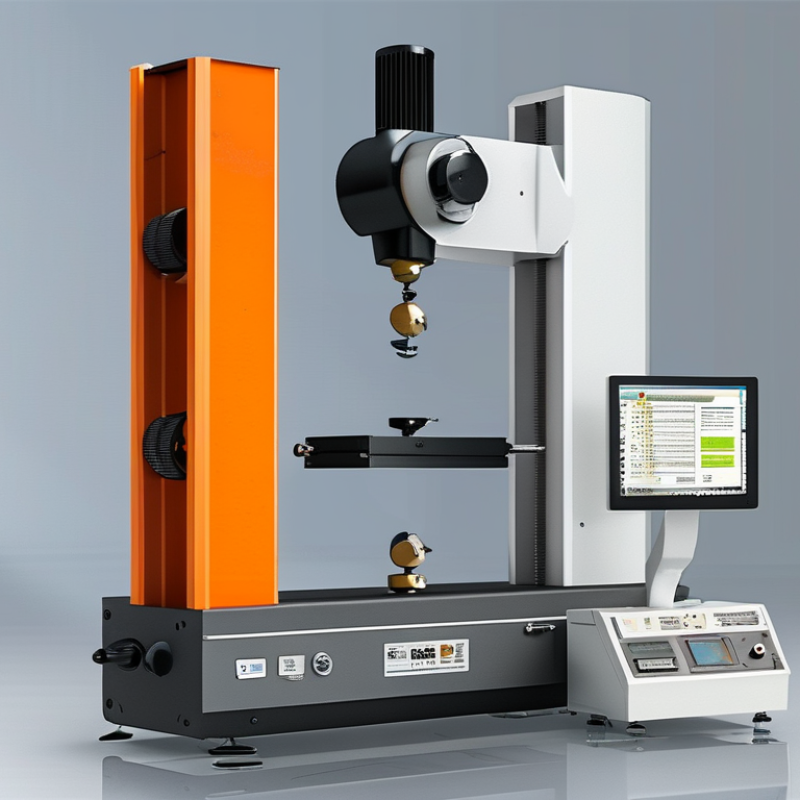
Understanding Coefficient of Friction and Its Importance in Testing
Understanding the coefficient of friction is essential in various industries, from manufacturing to packaging. It measures how two surfaces interact when in contact. This measurement offers insights into the materials' grip, wear, and overall performance.
Testing machines play a crucial role in evaluating the coefficient of friction. Selecting the right model ensures accurate data. Various factors come into play, such as the type of surfaces being tested and the conditions under which testing occurs. A testing machine must handle a wide range of materials. Using a machine with adjustable settings can enhance flexibility, allowing for diverse testing scenarios.
It’s important to remember that results can vary. Variations in surface texture or environmental conditions can affect readings. Therefore, it's crucial to validate results through repetition. Engaging with professionals in the field can provide valuable insights. This collaboration can help refine testing methodologies and improve reliability.
Types of Coefficient of Friction Testing Machines Available in the Market
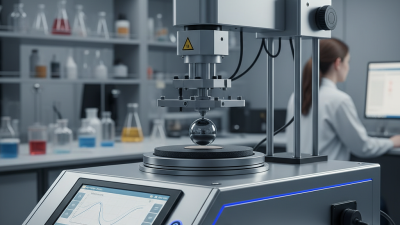
When selecting a coefficient of friction testing machine, understanding the types available is crucial. There are various models designed for different applications. Basic handheld devices can perform quick tests on small samples. These are portable and user-friendly, ideal for routine checks. Their simplicity comes with limited accuracy, which may not suit all needs.
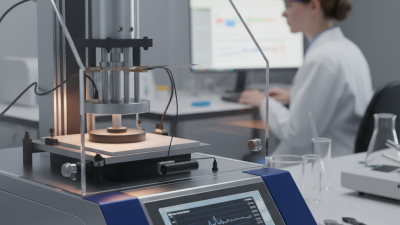
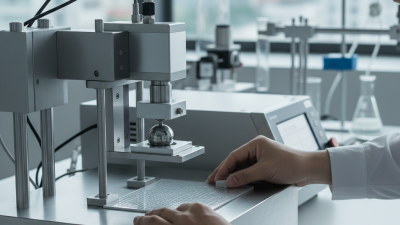
For more precision, consider benchtop testers. These machines offer advanced features, such as adjustable speeds and load capacities. They can accommodate larger samples, providing more reliable data. However, they also require careful calibration and maintenance. Users must ensure they have the right skills to operate these machines effectively, as improper use can lead to inaccurate results.
Advanced models include programmable systems that integrate with software for detailed analysis. Such machines can perform multiple tests automatically, saving time. Nevertheless, complexity can be a disadvantage. Users need training to maximize their functions. Many potential buyers overlook this aspect, leading to disappointing outcomes. Addressing these factors will help in making an informed choice.
How to Choose the Right Coefficient Of Friction Testing Machine?
| Type of Testing Machine |
Suitable Materials |
Test Method |
Typical Applications |
Price Range (USD) |
| Universal Friction Tester |
Plastics, Textiles, Rubber |
Static & Dynamic Tests |
Quality Control in Manufacturing |
$5,000 - $10,000 |
| Taber Abraser |
Coatings, Plastics |
Wear & Abrasion Testing |
Durability Testing |
$8,000 - $15,000 |
| Coefficient of Friction Tester |
Films, Papers, Foils |
Dynamic Coefficient Measurement |
Packaging Industry Testing |
$3,000 - $7,000 |
| Slip/Static Friction Tester |
Various Surfaces |
Static Friction Testing |
Safety Assessments |
$2,000 - $5,000 |
Key Specifications to Consider When Selecting a Testing Machine
When choosing a coefficient of friction testing machine, several key specifications come into play. The force measurement range is critical. Machines should measure forces accurately within a specific range to ensure reliability. According to industry standards, a typical range for many applications is from 0.1 N to 200 N. High-precision sensors can detect minute changes, which is essential for reliable results.
Additionally, the speed of the testing process is important. Many friction testing machines allow speeds from 0.1 mm/s to over 500 mm/s. This flexibility helps accommodate various materials. However, faster speeds may sometimes lead to less accurate results, causing a potential need for calibration. Test duration can also vary, affecting the overall efficiency of the testing process.
Temperature control is another crucial factor. Many materials react differently under varying temperatures. A machine that can operate in a controlled temperature environment ensures that results are stable. Some reports indicate that temperature fluctuations can impact friction readings by as much as 20%. This variation can lead to significant errors if not properly managed. Failing to address these specifications can compromise the integrity of the testing process.
Industry Standards and Compliance Requirements for Testing Equipment
Selecting a coefficient of friction testing machine requires attention to industry standards and compliance. These standards guide manufacturers and laboratories in ensuring reliable testing outcomes. For example, ASTM D1894 is a key standard for measuring static and kinetic friction. Compliance with such specifications guarantees that the equipment operates within accepted limits.
The accuracy of friction measurement can directly impact product quality. Many industries, including packaging and materials science, rely on these tests. The ISO 8295 standard also provides guidelines for testing the frictional properties of plastics and other materials. Companies must be diligent in choosing machines that meet these benchmarks.
Purchasing non-compliant machines can lead to inaccurate data. Equipment may not produce results that reflect real-world conditions. This can result in product failures and safety issues. Moreover, maintaining valid compliance helps avoid costly legal challenges. Reviewing test equipment through the lens of these standards ensures credibility and trust in results.
Evaluating Cost vs. Accuracy in Coefficient of Friction Testing Solutions
Choosing the right coefficient of friction testing machine involves a careful balance between cost and accuracy. Many professionals face this dilemma. A low-cost machine might seem appealing, but the accuracy could be questionable. Inaccurate readings can lead to faulty product standards. This could undermine the entire testing process.
On the other hand, high-end machines boast advanced features. Yet, they come with a significant price tag. Businesses need to evaluate their specific needs. If precise measurements are crucial, investing in quality equipment is necessary. However, if the testing is for internal purposes, a budget option might suffice. Weighing these factors is essential for effective decision-making.
It’s crucial to read reviews and consult with industry experts. Look for machines that have a proven track record. This can often be a source of reliability and performance feedback. Don't rush the decision process, as it can lead to regret later. Seek advice and gather as much information as possible before making the final choice.





 Home
Home