How to Choose the Right Friction Coefficient Tester?
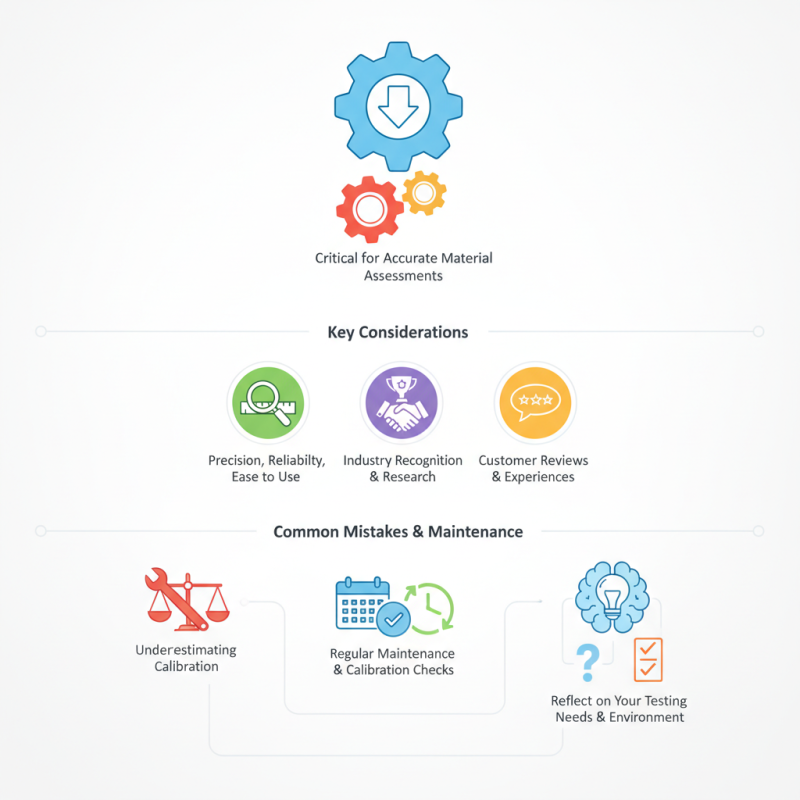
Choosing the right Friction Coefficient Tester is critical for accurate material assessments. This equipment plays a vital role in various industries, including manufacturing and automotive sectors. Selecting a tester that meets your specific needs is essential. You may find the options overwhelming due to the diverse range of testers available.
Understanding the technical specifications is important when evaluating friction coefficient testers. Look for precision, reliability, and ease of use. Brands with industry recognitions often ensure quality, but do thorough research. Personal experiences and customer reviews can provide valuable insights into the performance of these testers.
One common mistake is underestimating the importance of calibration. Regular maintenance and calibration checks are necessary for consistent results. If your tester is not calibrated, discrepancies in readings may arise. Reflect on your testing needs and the environment in which your tester will be used. This reflection will guide you in making a well-informed decision.
Understanding Friction Coefficient Testers: An Overview
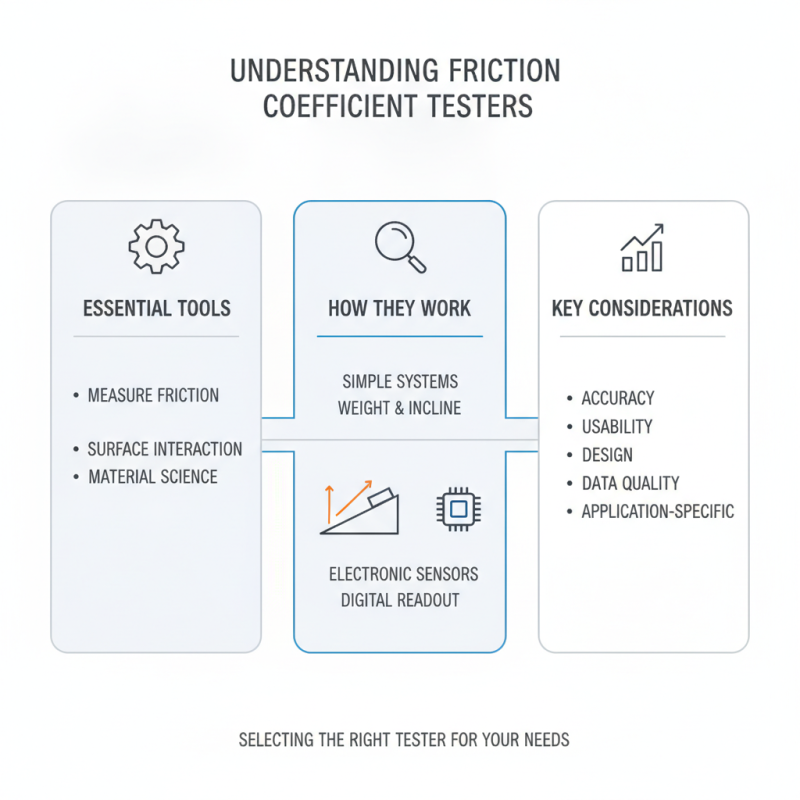
Friction coefficient testers are essential tools for measuring the friction between surfaces. Understanding how they work can help in selecting the right one for your needs. These testers vary in accuracy, usability, and design. Some testers use a simple weight and incline system. Others depend on advanced electronic sensors. The choice often affects the quality of data collected.
Calibration is crucial when using these testers. An uncalibrated device can yield misleading results, impacting research or production processes. Look for testers that offer straightforward calibration procedures. User manuals should clearly outline calibration steps. A reliable tester should maintain its accuracy over time, reflecting consistent performance in different conditions.
Choosing the right tester involves more than just features. Consider the environment where it will be used. Testing in a controlled lab setting is different from field conditions. Each scenario may require distinct capabilities. Reflect on the specific purpose of the testing. Is it for quality control or experimental research? Aligning the tester's functions with its intended use can prevent costly mistakes.
Types of Friction Coefficient Testers and Their Applications
Choosing the right friction coefficient tester
can significantly impact your project outcomes. There are various types of testers, each designed for specific applications in diverse industries. The key categories include portable testers, static testers, and dynamic testers.
Portable testers, often used in field applications, measure friction on uneven surfaces. Static testers evaluate stationary surfaces, providing insights into material properties. Dynamic testers assess friction during motion, crucial for analyzing wear and tear.
In industries like automotive and manufacturing, having reliable data is critical.
A recent report by the American Society for Testing and Materials (ASTM) highlighted that accurate friction measurement can improve safety and efficiency by 20-30%. For those selecting a tester, determine your specific application needs. Assess the materials in question and the test conditions. Different materials interact with various forces, impacting friction values. A mismatch may lead to unreliable results.
Tip: Always validate the calibration of your tester before use. Regular maintenance ensures accurate readings too. Another suggestion is to start with controlled conditions to understand material behavior. This knowledge streamlines the testing process, saving time and resources.
Key Features to Consider When Choosing a Tester
When selecting the right friction coefficient tester, several key features demand careful consideration. Understanding the testing method is crucial. A common method includes the use of a sled and a sample surface to measure the force required to slide over. The accuracy of this method can vary significantly depending on the tester's design and calibration. Reports indicate that 80% of testing inconsistencies stem from improper calibration. Therefore, ensuring that the tester has reliable calibration protocols in place is essential for producing trustworthy results.
The range of materials and surfaces a tester can handle should also be a priority. High-quality testers can assess materials from rubber to plastics effectively. An industry study found that diverse material compatibility increases the versatility of a tester by 65%. However, not all testers excel in this area. Users often report mismatches between the expected and actual performance on certain surfaces. This reality emphasizes the need for organizations to validate a tester's range through practical trials before committing to a purchase.
Another critical feature is data analysis capability. Advanced testers can provide real-time data tracking and detailed reporting. A comprehensive report can enhance interpretation and improve quality assurance processes. However, many testers lack user-friendly interfaces. This complexity can frustrate users and lead to misinterpretation of results. Ensuring that the tester's software is intuitive is vital for maintaining effective quality control standards.
Friction Coefficient Tester Comparison
Calibration and Maintenance for Accurate Testing Results
Calibration and maintenance are critical for ensuring accurate results when using a friction coefficient tester. Without proper calibration, even the most advanced equipment can yield misleading data. Regular checks against known standards help to identify deviations. This ensures that the tester consistently measures friction accurately.
Tips: Always document calibration dates and results. Create a maintenance schedule to avoid lapses. A well-maintained tester provides confidence in results. Neglecting maintenance can lead to costly errors and inconsistent testing outcomes.
Physical environment also affects test results. Dust, temperature fluctuations, and humidity can impact readings. Ensure the testing area remains controlled and free of contaminants. The materials used in the friction test should be clean and in good condition.
Reflecting on these factors is essential to achieving reliable results. Understand that every testing environment is unique. Tailor your calibration and maintenance procedures accordingly. Regularly review your processes and update them based on new findings or challenges.
How to Choose the Right Friction Coefficient Tester? - Calibration and Maintenance for Accurate Testing Results
| Tester Model |
Friction Coefficient Range |
Calibration Frequency |
Weighting Method |
Notes |
| Model A |
0.01 - 1.0 |
Monthly |
Static and Dynamic |
Ideal for laboratory settings. |
| Model B |
0.05 - 0.95 |
Bi-annually |
Dynamic Only |
Portable and easy to handle. |
| Model C |
0.1 - 1.2 |
Quarterly |
Static Only |
Best for controlled environments. |
| Model D |
0.02 - 0.8 |
Annually |
Static and Dynamic |
Suitable for field testing. |
Budgeting: Cost Considerations for Friction Coefficient Testers
Choosing the right friction coefficient tester requires careful budgeting. Cost considerations can vary widely based on testing needs and preferred features. A basic model may start at a few hundred dollars. More advanced units, which offer greater precision and additional functionalities, could cost several thousand. It’s essential to evaluate how often you will use the tester and the types of materials you will assess.
Investing in a tester that fits your budget is crucial. Lower-cost units might lack reliability or durability. They often provide basic readings, which may not suffice for detailed analysis. Consider the potential hidden costs, such as maintenance or calibration services. These can add up over time and should be factored into your budget.
While affordability is key, do not overlook quality. A cheaper tester may not deliver accurate results, leading to poor decision-making. It can be tempting to select the lowest priced option available, but this might lead to repeated purchases and wasted time. Ultimately, finding a balance between cost and quality is vital for effective testing and long-term success. Evaluate your real needs before committing to a purchase.





 Home
Home