Why Choose a Friction Coefficient Tester for Accurate Measurements?
In the realm of material testing, precision is paramount. The "Friction Coefficient Tester" stands out as a vital tool for obtaining accurate measurements. Renowned expert Dr. Emily Carter once stated, “Reliable friction measurements are foundational for material performance.” This emphasizes the necessity of using a friction coefficient tester in various industries.
With increasing demands for quality control and safety, professionals must employ effective testing methods. A friction coefficient tester allows engineers to evaluate material interactions under controlled conditions. This tool provides meaningful data that can influence product design and safety standards.
However, the journey to selecting the right tester is not without complexity. Some may overlook the subtle variations in results that different testers may yield. A deeper understanding of testing parameters is essential. Professionals must remain vigilant in reviewing their testing processes regularly. Embracing the friction coefficient tester is not merely about obtaining figures, but ensuring reliability and safety in real-world applications.
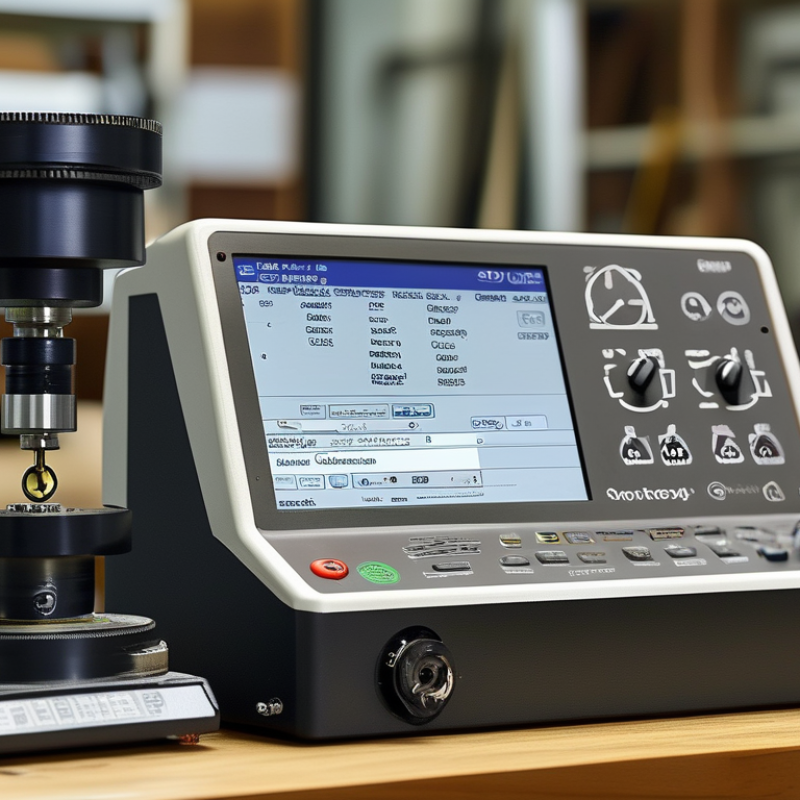
Importance of Accurate Measurements in Material Testing
Accurate measurements are fundamental in material testing. They help ensure the quality and reliability of products across various industries, from manufacturing to construction. A slight deviation in measurement can lead to significant issues, such as product failures or safety hazards.
Industry reports indicate that around 30% of material testing fails due to inaccurate measurements. When testing friction coefficients, small errors can result in improper material selections. This is especially crucial in sectors like automotive and aerospace, where material performance is critical. For instance, friction plays a key role in brake systems and tire dynamics.
Employing a friction coefficient tester can greatly improve measurement accuracy. However, many laboratories still rely on outdated methods. Regular calibration and updated testing protocols are essential for maintaining accuracy. The need for precise measurements is ongoing, as the consequences of neglect can be costly. Emphasizing accuracy not only fosters better products but also enhances safety in practical applications.
Understanding Friction Coefficient and Its Role in Engineering
Friction coefficient is a critical parameter in engineering, influencing the performance of various materials and systems. It indicates how much resistance two surfaces encounter when sliding against one another. This measurement plays a vital role in applications like automotive braking systems, conveyor design, and product packaging. A precise understanding of friction coefficients helps engineers optimize designs for safety and efficiency.
The role of friction cannot be underestimated. For example, in a car, the friction between tires and pavement affects stopping distances and traction. By analyzing friction coefficients, engineers ensure vehicles perform correctly in all conditions. Similarly, in manufacturing, a proper balance of friction can improve machinery lifespan and reduce energy costs.
However, measuring friction is complex. Factors such as surface roughness and material properties can affect results. Engineers must reflect on these variables to obtain accurate readings. This challenge emphasizes the need for specialized tools, like a friction coefficient tester, providing reliable and consistent data. Having precise measurements allows for informed decisions in engineering design and product development.
How Friction Coefficient Testers Function and Their Mechanisms
Friction coefficient testers are essential tools for precise measurements. They provide data on how surfaces interact under various conditions. Understanding their mechanisms helps users gain insight into their functionality.
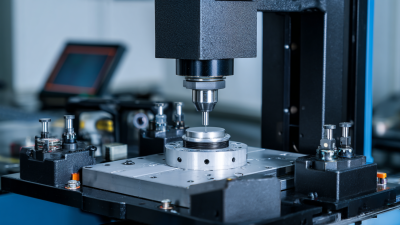
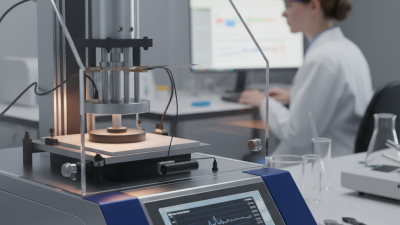
These testers typically use a sliding mechanism. Two surfaces are placed in contact, and one surface moves relative to the other. Sensors record the force required to maintain movement. This process yields a friction coefficient. Many machines utilize similar principles, but the precision of these testers is vital. Inconsistent results can lead to poor performance in applications.
Despite their accuracy, challenges remain. Environmental factors, such as temperature and humidity, can affect readings. Operators need proper training to interpret results effectively. Misjudgment in reading can lead to significant errors. Regular calibration is required to ensure reliability. Continuous reflection on testing protocols is essential for improvement.
Friction Coefficient Test Results
Key Benefits of Using Friction Coefficient Testers in Quality Control
When it comes to quality control, precision is key. A friction coefficient tester provides invaluable insights into material interactions. These devices measure how easily one surface slides over another, which directly affects product performance. For example, in manufacturing, understanding friction helps optimize processes and reduce wear and tear.
Using friction coefficient testers ensures reliability in product development. Accurate measurements lead to improved traction, safety, and product lifespan. Over time, this data helps companies refine their materials. However, not every test yields perfect results. Factors like environmental conditions and surface finishes can introduce variability. This unpredictability calls for multiple tests for reliable results.
Using these tools in quality control also aids in compliance with standards. Companies can demonstrate their commitment to safety and quality through documented measurements. Yet, it is essential to regularly calibrate equipment. This ensures consistent data collection. Investing in a friction coefficient tester is an essential step for businesses focused on quality and innovation.
Applications of Friction Coefficient Testers Across Various Industries
Friction coefficient testers play a vital role in many industries. Accurate measurements can significantly impact product quality and safety. In the automotive industry, for example, ensuring proper tire grip can reduce accidents. A study by the National Highway Traffic Safety Administration found that 52% of accidents are related to poor tire performance. Friction testers can help mitigate these risks.
In manufacturing, the coating industry relies heavily on precise friction data. A report by the Coatings Research Group indicates that 30% of product failures arise from inadequate friction control. Friction test instruments help ensure that surfaces adhere correctly, enhancing the durability of coatings.
In the medical field, catheters and surgical instruments must have the right friction to function safely. Inadequate testing could lead to serious complications.
Tips: Consider regular calibration of your friction testers for consistent results. Keep environmental conditions stable during testing, as temperature and humidity can affect measurements. Always document your findings for future reference and improvements. Continuous learning and adjustment help in enhancing testing accuracy.





 Home
Home