What is a Friction Peel Tester and How Does It Work?
The Friction Peel Tester is a crucial tool in material testing. It evaluates the bond strength of adhesive materials. By simulating real-world conditions, this device measures how well layers adhere under stress. This is vital for industries like packaging and construction.
When using a Friction Peel Tester, operators secure the bonded materials in place. A precise force is then applied, peeling them apart. The device measures the force required to separate the materials. This data helps manufacturers understand the performance of their products.
However, the process isn't without challenges. Factors such as surface texture and environmental conditions can affect results. Users must be mindful of these influences to ensure accurate testing. Understanding the limitations of a Friction Peel Tester is essential for reliable outcomes.
Understanding the Basics of a Friction Peel Tester
A friction peel tester is a specialized device used in material science for assessing the adhesion strength of bonded materials. This tool plays a critical role in various industries, including packaging and automotive, where the quality of adhesive bonds directly affects product performance. According to industry studies, the failure rate in adhesive bonds can reach up to 30% in certain applications, underscoring the importance of precise testing.
Understanding how a friction peel tester operates involves examining its components and methodology. The device typically measures the force required to peel apart two bonded materials at a controlled angle and speed. This process provides quantitative data on adhesion quality. Research highlights that variations in peel angle and speed can significantly influence test results, making it essential to standardize testing conditions for reliable outcomes.
However, there are challenges in using friction peel testers. Different materials exhibit unique behaviors under stress, leading to varied readings. Some testers might struggle with certain substrates, like flexible films or textured surfaces. This inconsistency can complicate data interpretation. It is crucial to understand these limitations when conducting tests, as they inform the practical applications of the findings in product development and quality assurance.
Components and Design of Friction Peel Testers
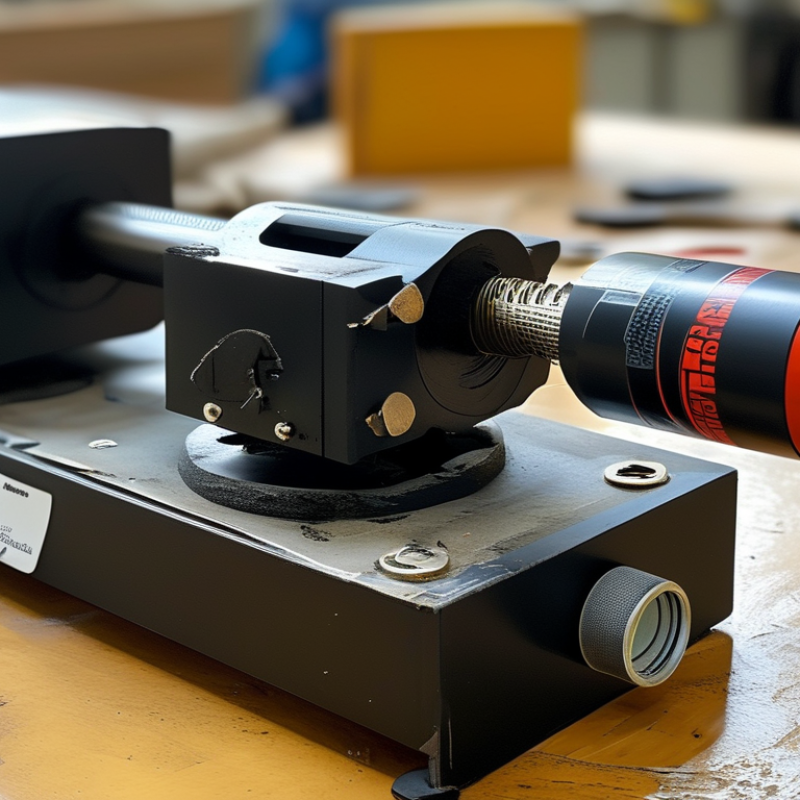
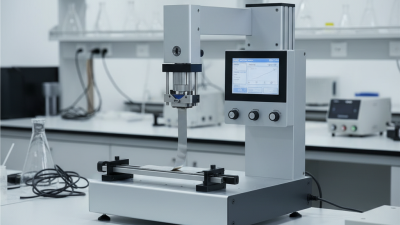
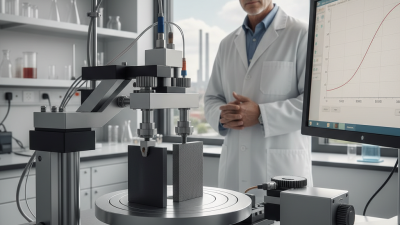
Friction peel testers are vital for assessing adhesive bonds in various materials. Their design includes key components that contribute to their functionality. A universal testing machine often serves as the backbone of these testers. Clamps are crucial for securely holding the materials and preventing movement during the peel test. The setup allows for precise measurement of how much force is needed to separate these bonded components.
The peel angle in friction peel testers significantly affects the test outcomes. Typically, a 90-degree or 180-degree angle is used, simulating real-world applications. Strain gauges may be equipped on the testing machine to provide accurate force data. However, the calibration of these components is sometimes overlooked, leading to potential inaccuracies. Users should regularly review their equipment to ensure reliability.
Material surface preparation before testing also plays a role in the results. Clean and properly prepared surfaces yield more reliable data. Still, many forget this crucial step, influencing the overall test validity. Analysts must reflect on these aspects for consistent results.
How the Friction Peel Testing Process Works
The friction peel testing process evaluates the adhesion strength between materials. This method is essential in various industries, including packaging and construction. The test examines how well two materials stick together under stress. It mimics real-world conditions where products experience peeling forces.
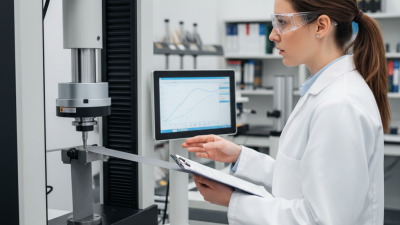
During testing, a specimen is attached to a platform. The materials are pulled apart at a controlled speed. Sensors measure the force required for separation. This provides quantitative data on adhesive performance. It's crucial to maintain consistent test conditions for accurate results. Any variation can lead to misleading readings.
Interpretation of results can be complex. Factors like surface roughness and environmental conditions play significant roles. Not all failures result from poor adhesion; sometimes, the testing method itself may introduce errors. Continual refinement of the process is essential for reliable outcomes. Understanding these nuances enhances the credibility of friction peel tests.
Applications and Importance of Friction Peel Testing
Friction peel testing measures the adhesion strength between two materials. This process is crucial in industries like packaging and automotive. It helps ensure materials can withstand stress and maintain performance in various conditions.
In packaging, for example, strong bonds prevent leaks and ensure product integrity. This testing informs manufacturers about the suitability of adhesive materials. However, it’s important to recognize that some tests may not replicate real-world conditions perfectly. Variability in environmental factors can lead to inconsistencies in results.
The importance of friction peel testing extends beyond mere assessments. It plays a role in safety and regulatory compliance. Manufacturers can avoid costly failures by validating adhesion quality. Continuous improvement in testing methods can further enhance reliability. As industries evolve, the need for precise and dependable performance grows more significant.
What is a Friction Peel Tester and How Does It Work? - Applications and Importance of Friction Peel Testing
| Test Parameter |
Description |
Typical Values |
Units |
| Adhesive Type |
Type of adhesive used in the testing |
Acrylic, Epoxy, Polyurethane |
- |
| Test Temperature |
Temperature at which the test is conducted |
23, 70, 100 |
°C |
| Peel Rate |
The speed at which the test is performed |
50, 100, 200 |
mm/min |
| Peel Strength |
Force required to peel the materials apart |
5, 10, 20 |
N/mm |
| Failure Mode |
Type of failure observed during testing |
Cohesive, Adhesive, Mixed |
- |
| Applications |
Industries that utilize friction peel testing |
Automotive, Aerospace, Packaging |
- |
Interpreting Results from Friction Peel Tests
When interpreting results from friction peel tests, understanding the data is crucial. These tests measure the adhesion performance between two materials—often films or coatings. The test generates a peel force while gradually separating bonded layers, offering valuable insight into their bond strength.
Analyzing the results involves looking at the peak peel force and the behavior during the test. A high peak force typically indicates good adhesion. However, variations in the force can point to weaknesses. For example, if the peel force drops suddenly, it may reveal poor bonding at certain points. Not all results are clear-cut; discrepancies may arise from sample preparation or environmental factors during testing.
Establishing a reliable interpretation method is key. Factors like testing speed and angle can influence results significantly. Therefore, careful standardization is essential for consistent outcomes. Reflection on unexpected data trends can lead to improvements in material selection and processing. Understanding these nuances helps in enhancing product performance and reliability.





 Home
Home