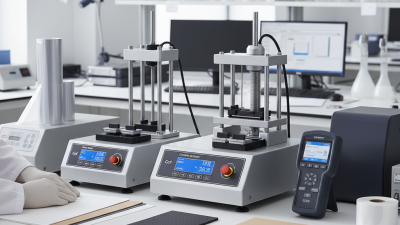
Top Tips for Using Temperature and Humidity Test Chamber at Canton Fair 2026?
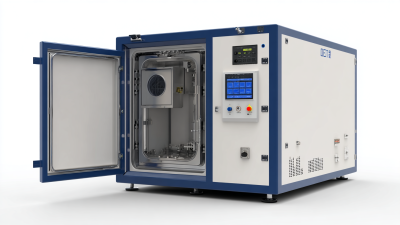
The Canton Fair 2026 presents a significant opportunity for businesses to showcase their products. Among the many innovations, the Temperature And Humidity Test Chamber plays a crucial role. This equipment ensures that products meet environmental durability standards, which are vital in today’s competitive market.
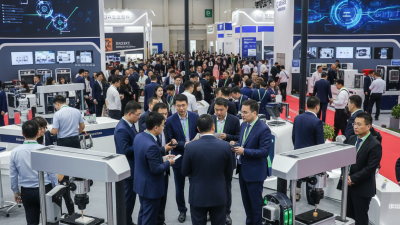
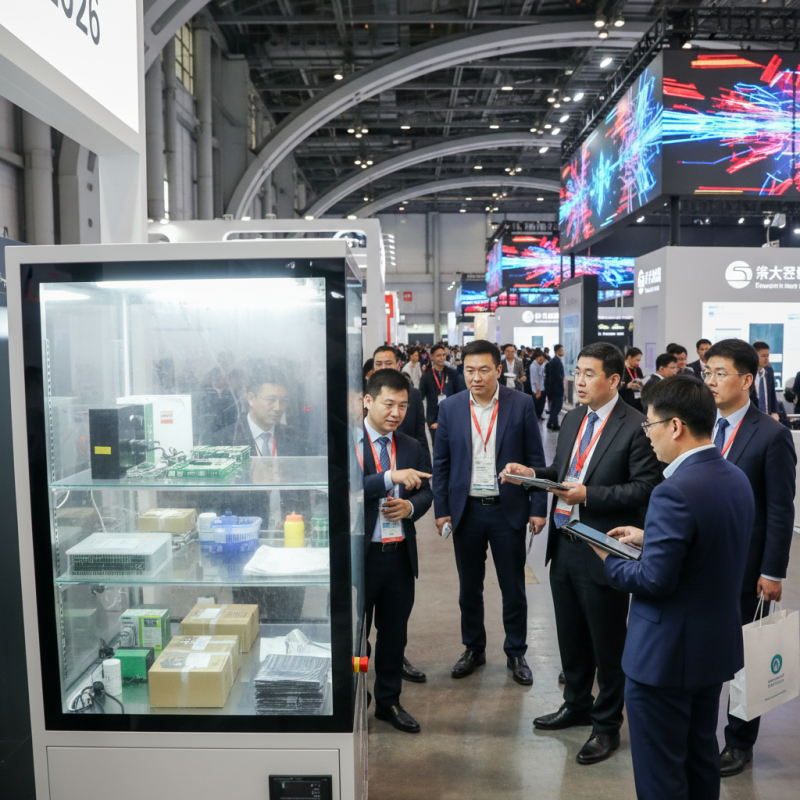
Attending the fair can be overwhelming. With millions of square feet of exhibit space, navigating the venue efficiently is essential. The new AI features enhance this experience, allowing buyers to filter suppliers based on certifications like ISO and CE. Despite these advancements, some may still struggle to locate specific exhibitors or useful information.
Understanding the capabilities of the Temperature And Humidity Test Chamber is key for manufacturers. It helps demonstrate product resilience to potential clients. However, many participants may overlook its importance, focusing instead on aesthetics or initial impressions. In doing so, they risk missing out on significant quality assurance that can sway buyer decisions.
Benefits of Temperature and Humidity Test Chambers for Product Testing
Temperature and humidity test chambers are essential for product testing at events like the Canton Fair 2026. These chambers simulate various environmental conditions. This is crucial for assessing how products perform in different climates. A stable environment ensures accurate testing. It helps manufacturers identify potential weaknesses.
Using a temperature and humidity test chamber effectively requires some tips. First, ensure proper calibration of the equipment. Inaccurate readings can lead to flawed test results. Regular maintenance of the chamber is vital. Dirty filters can affect temperature accuracy. Keep the workspace organized; it can help reduce errors.
The benefits of these chambers are profound. They help in product longevity assessments. Manufacturers can predict how their products resist extreme conditions. This leads to improved designs and customer satisfaction. However, not all failures are easy to spot. Sometimes, products seem fine, but hidden flaws exist. Continuous testing and evaluation are necessary for quality assurance.
Top Tips for Using Temperature and Humidity Test Chamber at Canton Fair 2026
| Dimensional Aspect |
Recommended Value |
Importance |
| Temperature Range |
-40°C to +100°C |
Ensures comprehensive testing for various products |
| Humidity Range |
20% to 95% RH |
Critical for testing materials' resistance to moisture |
| Test Duration |
24 to 72 hours |
Allows adequate time to identify performance issues |
| Preparation Steps |
Calibration, Pre-conditioning |
Ensures accuracy in testing results |
| Data Logging |
Real-time monitoring |
Captures vital information for analysis |
| Post-Test Analysis |
Visual Inspection, Performance Metrics |
Identifies potential failures and areas of improvement |
Key Specifications to Consider in Temperature and Humidity Test Chambers
When using temperature and humidity test chambers, critical specifications must be considered. Assessing the temperature range is vital. Many products need specific temperatures for accurate testing. The ideal chamber should operate effectively from -40°C to +80°C. This range ensures versatility for different applications.
Another key specification is humidity control. A chamber that offers 20% to 95% relative humidity provides flexibility. This allows for testing in various environmental conditions. Accurate humidity control may require additional calibration. Regular checks can prevent unexpected errors in readings.
Moreover, chamber size matters. If your product is large, a spacious chamber is necessary. However, larger chambers often mean higher costs. Finding a balance between size and budget can be a challenge. Evaluate the dimensions carefully to avoid issues later. Testing protocols should also be considered. This helps ensure that the chambers function correctly over time. Each test must replicate real-world conditions as closely as possible.
Best Practices for Setting Up Chambers at Trade Shows like Canton Fair
When setting up temperature and humidity test chambers at trade shows like Canton Fair, precise conditions are crucial. Studies indicate that around 73% of exhibitors report better product performance when environmental factors are accurately controlled. This statistic highlights the importance of creating an optimal setting.
To achieve this, ensure your chamber is well calibrated. Use reliable sensors to monitor temperature and humidity levels. Regular checks can prevent costly errors. If the environment is inconsistent, product testing may yield misleading results. A simple miscalibration can affect data integrity significantly, making regular assessments essential.
Moreover, pay attention to the placement of your chamber. Avoid direct sunlight or drafty areas. These factors can disrupt the chamber's environment. A recent report states that 40% of exhibitors fail to consider environmental influences, leading to compromised testing outcomes. These details, while often overlooked, can make a big difference in your results and overall presentation at events like Canton Fair.
Understanding Industry Standards for Temperature and Humidity Testing
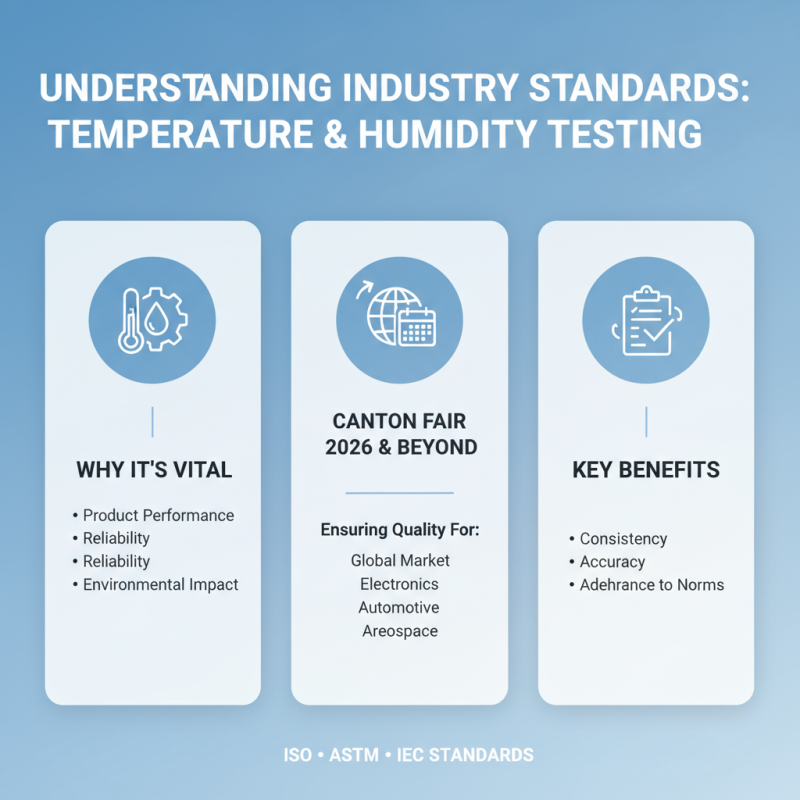
Understanding industry standards for temperature and humidity testing is vital, especially during events like the Canton Fair 2026. The performance and reliability of products can be affected by environmental conditions. Adhering to these standards ensures consistency and accuracy in testing procedures.
Before using a test chamber, check for calibration. Proper calibration aligns your results with industry benchmarks. Adjusting settings without inspecting calibration can lead to unreliable data. This may result in significant errors in product assessments. Be diligent in maintaining equipment to uphold testing precision.
It’s essential to document any changes made during the testing process. Notes on humidity levels, temperature fluctuations, and timestamps are invaluable. These details contribute to a comprehensive understanding of products under test conditions. Reflect on past testing experiences, both successes and mistakes, to improve future practices. Continuous learning is key to mastering temperature and humidity testing.
Analysis of Temperature and Humidity Effects on Product Quality and Longevity
Temperature and humidity play a crucial role in determining product quality and longevity. Recent studies indicate that products exposed to extreme temperatures can degrade rapidly. For instance, a report by the International Society of Quality Assurance suggests that 20% of products lose integrity when exposed to humid conditions above 70% for extended periods. This deterioration often leads to increased returns and customer dissatisfaction.
When using a temperature and humidity test chamber, it’s vital to monitor these environmental factors closely. Accuracy is key. Small fluctuations can have significant impacts. Conducting tests at various humidity levels helps in understanding how different products respond. Remember to log data meticulously. This will assist in pinpointing issues.
Consider these tips: maintain stable conditions during tests. This minimizes surprises later. Also, run longer tests to uncover hidden flaws. Regular calibration of the chamber is essential. Uncalibrated equipment yields unreliable results, leading to potential product failures. Be wary of overconfidence in results from limited data. Always seek comprehensive insights.
Impact of Temperature and Humidity on Product Quality





 Home
Home