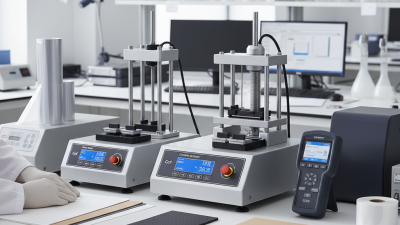
What is a Tensile Strength Machine and How Does it Work?
A Tensile Strength Machine is essential in material testing. It measures how much force a material can withstand while being pulled apart. According to a report by MarketsandMarkets, the global tensile testing machine market is projected to reach $803 million by 2026, growing at a CAGR of 5.5%. This growth reflects increasing demand across various industries.
Dr. Emily Richards, a renowned materials engineer, emphasizes the importance of this equipment. She states, “Understanding tensile strength is crucial for ensuring the safety and durability of materials.” In industries like construction and aerospace, precise measurements from a Tensile Strength Machine can prevent catastrophic failures. However, achieving accurate testing results can be complex, requiring frequent calibration and expert knowledge.
Despite advancements, challenges still exist. Many companies struggle with improper testing techniques. This highlights a need for better training in the field. As the industry evolves, implementing innovative solutions becomes vital for accurate assessments. A Tensile Strength Machine plays a key role in this endeavor, ensuring materials perform reliably under pressure.
What is Tensile Strength?
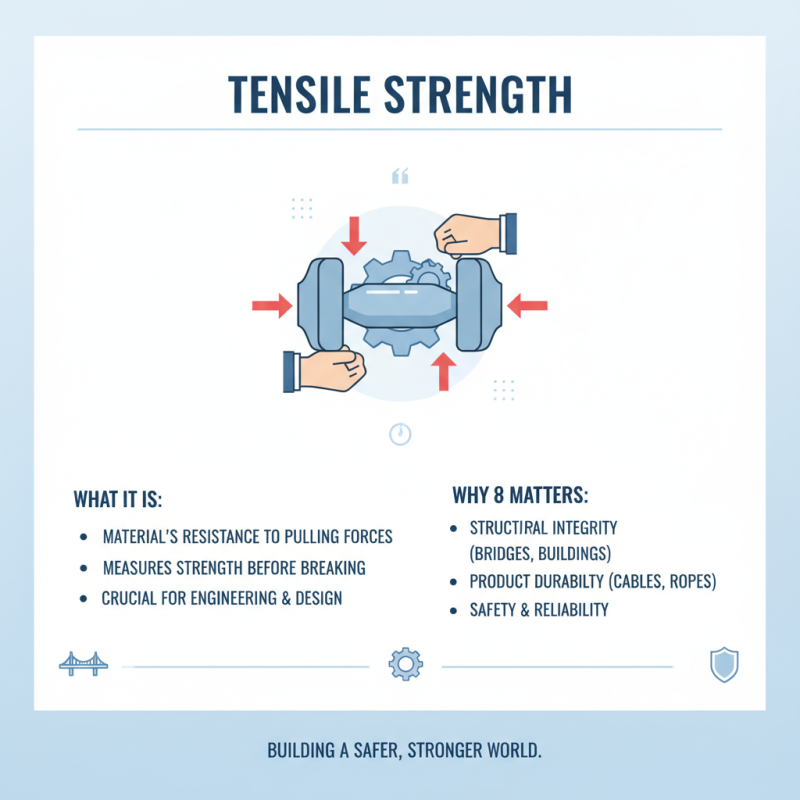
Tensile strength is a fundamental property of materials. It measures how much tension a material can withstand before failing. This is crucial for engineers and designers. They use tensile strength to choose materials for structures, bridges, and everyday products. Understanding this strength helps ensure safety and durability.
When a material is pulled, it experiences stress. Tensile strength is the maximum stress it can endure. For example, metals like steel exhibit high tensile strength. In contrast, materials like rubber have lower strength. This distinction is essential in selecting the right material for any application.
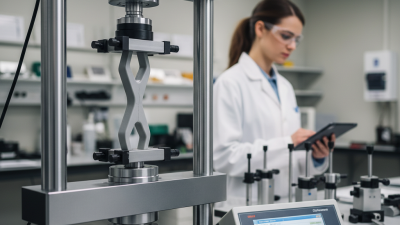
Measuring tensile strength typically involves a tensile strength machine. The process is straightforward yet vital. A sample is mounted in the machine and pulled until it breaks. Observing the failure point helps researchers understand the material's limits. However, it's important to note that results can vary. Factors such as temperature, humidity, and sample preparation influence outcomes. This variability is a constant reminder of the complexities of material science.
Principles of Tensile Strength Testing
Tensile strength testing is essential for materials assessment. It measures how much force a material can withstand while being stretched. This test helps determine a material's durability and reliability in various applications.
Understanding the principles is vital. The test involves placing a sample in a tensile strength machine. The machine pulls the sample until it fails. The failure happens in two stages: elastic and plastic deformation. The machine records data like the maximum load and elongation before breaking.
Tips: Make sure the sample is free from defects. Flaws can affect results. Always follow proper calibration procedures. It's crucial for accuracy.
The results help engineers design safer structures. However, human error is possible. For instance, if the sample is not secured well, it can lead to inaccurate readings. Testers must stay focused during the process to minimize mistakes.
Components of a Tensile Strength Machine
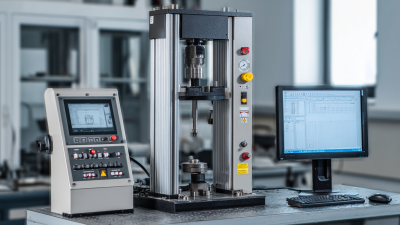
A tensile strength machine is an essential tool used in material testing. It measures the strength and behavior of materials under tension. The main components of this machine play a crucial role in its function.
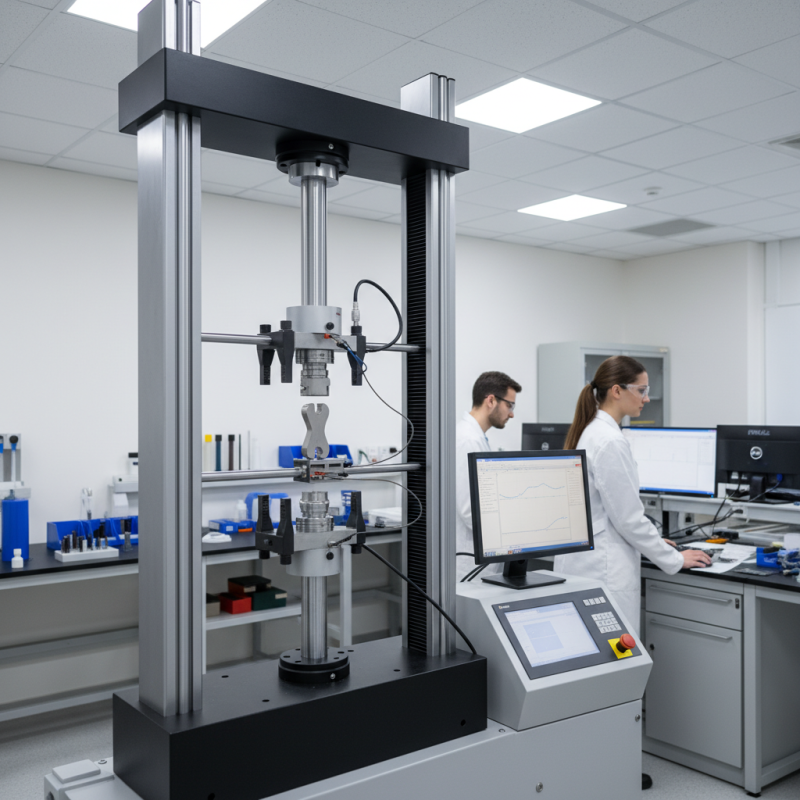
The frame is the backbone of the tensile strength machine. It provides stability and support. The loading system applies tension to the sample. This system often includes a gripping mechanism. The grips hold the material securely during the test. Sensors measure the force applied, while data acquisition systems record the results. The display panel shows real-time data and readings.
Understanding these components is important, yet users must familiarize themselves with the calibration process. Improper calibration can lead to inaccurate results. Regular maintenance of grips and sensors is also necessary to ensure reliability. Machine operators may sometimes overlook signs of wear. Through attention to detail, operators can improve their testing accuracy.
Tensile Strength of Various Materials
How Tensile Strength Machines Work
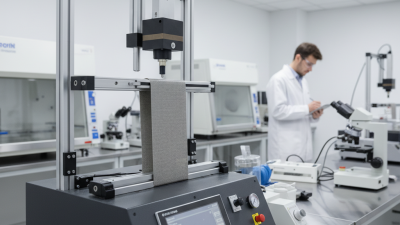
Tensile strength machines are essential tools in materials testing. They evaluate how materials respond to stretching forces. The machine grips the material at both ends and pulls it apart. As the force increases, the machine measures the stress and strain. It can determine when a material will fracture or yield.
During testing, the machine collects data on maximum tensile strength. This information is vital for industries like construction and manufacturing. Each material reacts differently under stress. Some may stretch significantly before breaking, while others fail abruptly. Understanding these behaviors helps engineers design safer structures.
Tips: Always calibrate the machine before testing. Miscalibrated machines can lead to unreliable results. Pay attention to environmental factors like temperature; they can also affect material behavior. Safety is paramount during testing. Follow all safety protocols diligently.
Applications of Tensile Strength Testing in Various Industries
Tensile strength testing plays a crucial role in various industries. It helps determine how materials respond under tension. This testing method measures the force required to deform a material. Many sectors, including construction and manufacturing, rely heavily on these insights.
In construction, materials must withstand heavy loads. Tensile strength testing ensures that concrete, steel, and other materials can handle stress without failing. Engineers analyze results to make informed decisions about material selection. A small oversight can lead to catastrophic failures, so precision is key.
The automotive industry also benefits significantly from tensile testing. Car manufacturers test components like metal frames and body panels. Ensuring durability and safety is non-negotiable. However, some manufacturers might overlook this critical step, risking safety. Testing must be robust and continuous. Every industry should strive for improvement and reflection on their testing practices.
Tensile Strength Testing Data
| Material Type |
Tensile Strength (MPa) |
Elongation at Break (%) |
Young's Modulus (GPa) |
Industry Application |
| Steel |
400-900 |
15-30 |
200 |
Construction, Automotive |
| Aluminum Alloy |
250-500 |
10-20 |
70 |
Aerospace, Packaging |
| Titanium |
900-1400 |
10-15 |
115 |
Medical, Aerospace |
| Polypropylene |
30-50 |
300-600 |
1.5 |
Consumer Goods, Textiles |
| Carbon Fiber |
600-800 |
1-2 |
230 |
Automotive, Sports Equipment |





 Home
Home