Why Are Textile Testing Instruments Essential for Quality Control?
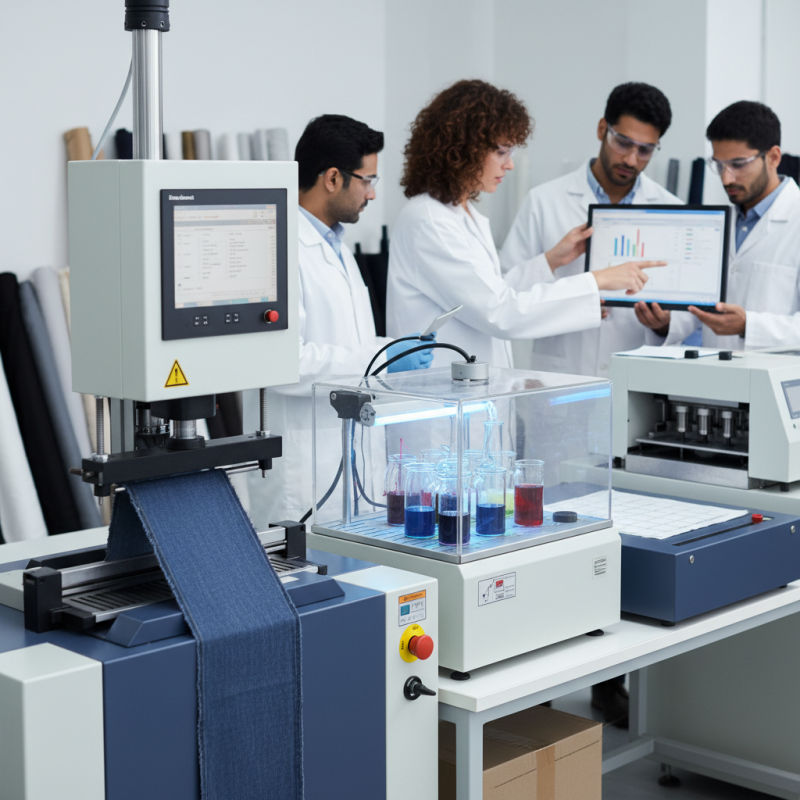
Textile Testing Instruments play a pivotal role in quality control within the textile industry. A recent report from the Textile Institute highlights that 70% of manufacturers face challenges related to fabric quality. Proper testing is essential to address these challenges. Experts like Dr. Emily Parker emphasize the need for precise measurements, stating, "Quality assurance starts with reliable textile testing."
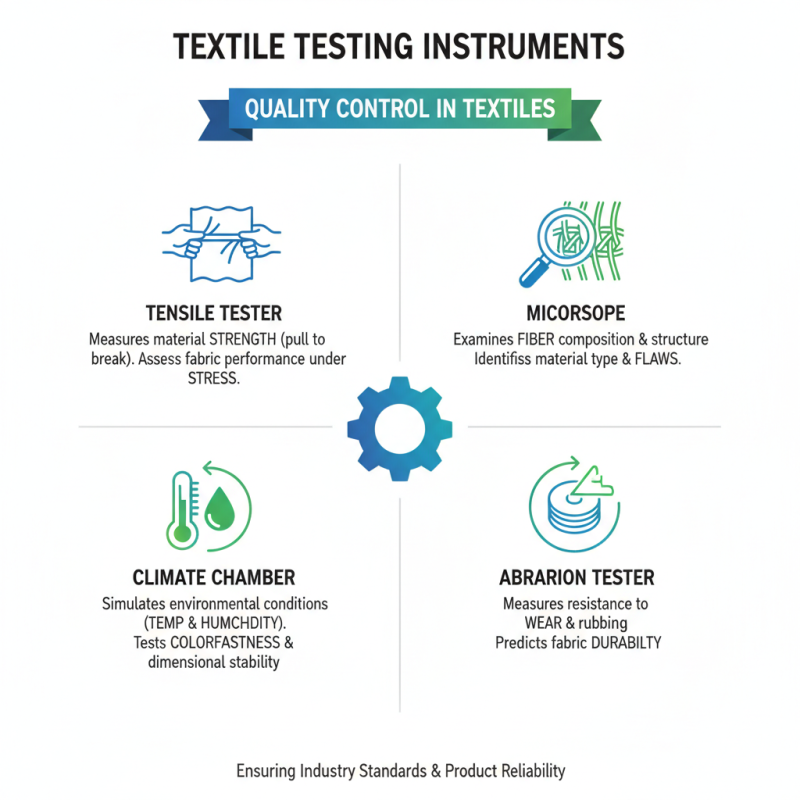
Textile Testing Instruments ensure that materials meet industry standards. These tools help detect flaws and verify fabric performance. Common tests include tensile strength, colorfastness, and shrinkage analysis. According to a survey by Textile World, companies using advanced testing instruments saw a 30% reduction in production errors. This data underscores the importance of adopting modern testing technologies to enhance material reliability.
However, not all testing methods are foolproof. Some procedures may overlook specific issues. A critical evaluation of testing outcomes is essential. Continuous improvement in testing methods leads to better quality control. The textile industry must reflect on its approaches, ensuring that Textile Testing Instruments evolve with new advancements and challenges. Only then can manufacturers fully guarantee product quality.
Importance of Quality Control in Textile Manufacturing
Quality control is vital in textile manufacturing. It ensures that every fabric meets specific standards before reaching consumers. According to recent industry reports, up to 30% of textiles fail quality tests. This highlights a critical need for effective measurement tools.
Textile testing instruments play a crucial role in this regard. These tools assess factors like strength, durability, and colorfastness. For instance, a study by the International Textile Institute found that proper testing reduced defects by 25%. This not only saves costs but also enhances customer satisfaction.
However, many manufacturers overlook the importance of consistent testing. Some rely on visual inspections, which can be unreliable. Effective quality control requires a systematic approach. Implementing advanced testing methods can help identify issues early. Addressing them promptly is essential for maintaining product integrity and brand reputation. The textile industry must prioritize quality to thrive in a competitive market.
Overview of Textile Testing Instruments
Textile testing instruments play a critical role in quality control within the textile industry. These tools help assess various fabric properties, ensuring that products meet industry standards and consumer expectations. According to a recent report by the International Textile and Apparel Association, over 70% of product failures relate to material defects. This statistic underscores the need for rigorous testing throughout the production process.
Common textile testing instruments include tensile strength testers, color fastness testers, and moisture management testers. A tensile strength tester measures how much force a fabric can withstand before breaking, providing key insights into its durability. Color fastness testers determine how well a fabric retains its color under various conditions, a crucial aspect for brands focusing on quality. Moisture management testers evaluate how a fabric deals with moisture, influencing comfort in use.
Tip: Regular calibration of testing instruments ensures accuracy. This practice can prevent costly quality issues. Don't overlook the impact of environmental conditions on test results. Humidity and temperature can alter measurements, leading to unreliable data. Awareness of these variables can help improve testing protocols effectively.
The Role of Testing Instruments in Ensuring Compliance with Standards
Quality control is a crucial aspect of the textile industry. Testing instruments play a vital role in ensuring compliance with established standards. These instruments assess various parameters, including tensile strength, colorfastness, and fabric composition. According to a report by the Textile and Apparel Indices, around 30% of textile products fail quality inspections due to inadequate testing.
Using accurate testing instruments can significantly reduce this percentage. For instance, instruments that measure fabric thickness and density can help manufacturers select the right materials. An ASTM International study shows that compliance with standards reduces return rates by 25%. This not only saves costs but builds customer trust.
The complexity of textile products requires precise testing procedures. However, many manufacturers still rely on outdated methods. This gap can result in non-compliance. Regular calibration of instruments is essential but often overlooked. A survey revealed that nearly 40% of companies do not adhere to proper calibration schedules. These oversights highlight the importance of integrating reliable testing methods in quality control processes to meet industry standards.
Why Are Textile Testing Instruments Essential for Quality Control?
| Testing Instrument |
Purpose |
Compliance Standards |
Measurement Range |
Frequency of Use |
| Fabric Strength Tester |
Measures tensile strength of fabrics |
ASTM D5034 |
50 - 1000 N |
Daily |
| Color Fastness Tester |
Evaluates color retention during washing |
ISO 105-C06 |
1 - 5 scale |
Weekly |
| pH Meter |
Measures acidity or alkalinity of textile solutions |
AATCC 81 |
0 - 14 pH |
Daily |
| Water Repellency Tester |
Assesses water resistance of fabric |
AATCC 22 |
0 - 100% |
Monthly |
| Microscope |
Examines fiber structure and defects |
ASTM D578 |
Variable magnification |
As needed |
Impact of Quality Control on Consumer Satisfaction and Brand Reputation
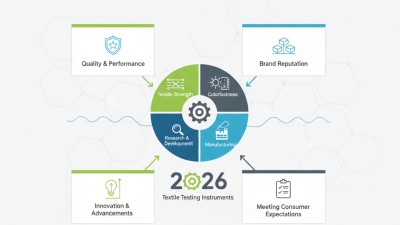
Quality control in textile production plays a pivotal role in ensuring consumer satisfaction. According to a report by the Textile World Journal, 78% of consumers are more likely to purchase from brands that ensure quality in their products. When textiles fail to meet quality standards, customers often feel disappointed. This disappointment can lead to negative reviews and reduced repeat purchases.
Brand reputation is severely impacted by quality issues. A recent study indicated that poor quality can decrease a brand's credibility by up to 40%. Consumers often associate quality with trustworthiness. Even minor defects can tarnish a brand’s image. Furthermore, in today's digital age, bad news spreads quickly. Social media amplifies negative experiences, making effective quality control more critical than ever.
While many brands invest in textile testing instruments to maintain quality, challenges still exist. Not every test covers all potential defects or variances. Insufficient quality checks can lead to product recalls, costing companies significantly. Such events not only affect the bottom line but also chip away at customer trust. It’s essential for brands to continually refine their quality assurance processes to safeguard their reputation and ensure consumer loyalty.
Impact of Quality Control on Consumer Satisfaction and Brand Reputation





 Home
Home