Top Textile Lab Equipment for Best Quality Production?
In the textile industry, high-quality production relies heavily on advanced Textile Lab Equipment. According to a recent report by the International Textile Manufacturers Federation, the global textile machinery market is projected to reach $20 billion by 2026. This growth reflects an increasing demand for precision and efficiency in fabric testing and production processes.
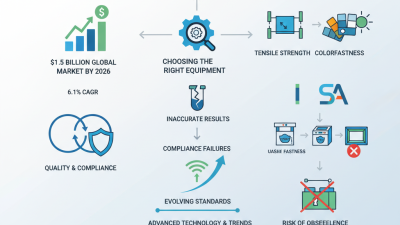
Textile Lab Equipment plays a vital role in ensuring fabric quality and consistency. Instruments such as color measurement devices and tensile strength testers are essential for evaluating textile properties. A study published in the Journal of Textile Science found that 30% of defective textiles can be traced back to inadequate testing processes. This indicates the importance of investing in quality equipment to avoid costly production errors.
However, the continuous evolution of textile technology presents challenges. Manufacturers often struggle to keep up with new testing standards. Furthermore, high initial costs may deter small enterprises from acquiring essential equipment. Ultimately, understanding the significance of Textile Lab Equipment is crucial for those aiming to excel in the competitive textile market.
Essential Textile Lab Equipment for Quality Control
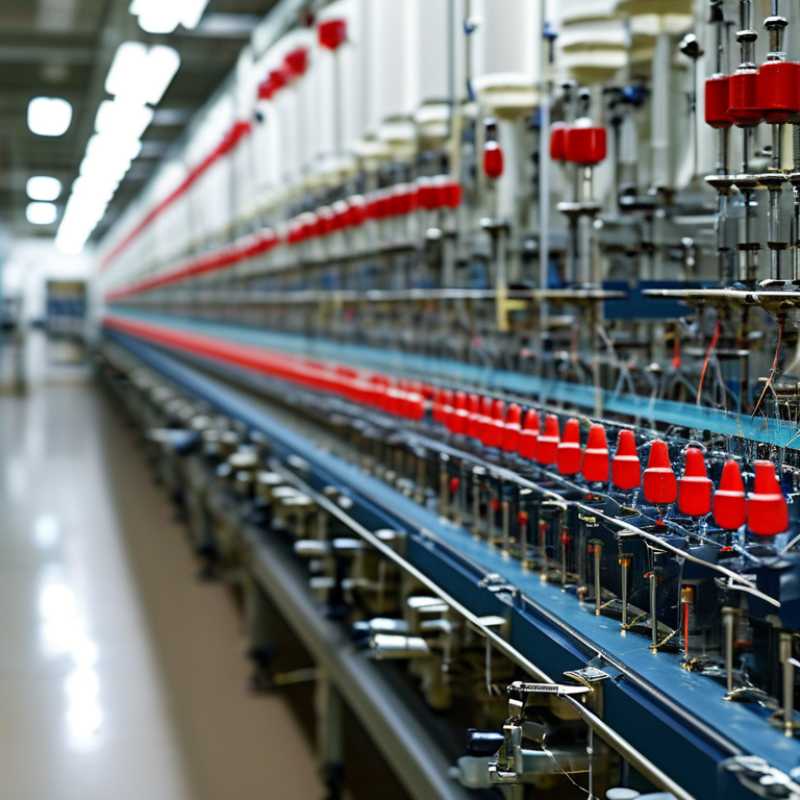
In the textile industry, quality control is crucial for producing superior fabrics. Essential equipment in a textile lab includes devices for testing fiber strength, color fastness, and fabric dimensions. These tests ensure that the final product meets industry standards. Reliable testing methods can prevent costly mistakes in production.
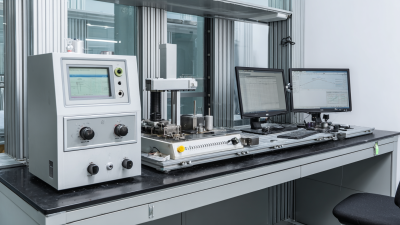
Fabric strength testing machines measure tensile strength and ensure durability. Color fastness testers evaluate how well fabrics resist fading. These pieces of equipment provide tangible data to guide production processes. Yet, inadequate training on these machines can lead to inaccurate results. Regular calibration and proper usage are vital for maintaining reliability.
Microscopes help analyze fiber composition, revealing crucial details about raw materials. Conducting thorough analyses can sometimes uncover unexpected results, prompting reevaluation of sourcing practices. Employing such specialized tools not only enhances product quality but also supports sustainability by minimizing waste. Investing in the right equipment fosters production excellence while encouraging continuous improvement.
Top Textile Lab Equipment for Best Quality Production
| Equipment Type |
Purpose |
Key Features |
Typical Applications |
| Fabric Strength Tester |
Measures tensile strength of fabrics |
Digital readout, adjustable speed |
Quality control for woven and non-woven fabrics |
| Color Spectrophotometer |
Analyzes color consistency and accuracy |
High precision, user-friendly interface |
Dyed fabrics, printed textiles |
| Abrasion Tester |
Measures fabric abrasion resistance |
Multiple test methods, real-time monitoring |
Outerwear, upholstery fabrics |
| Microscope |
Examines fabric structure and fiber quality |
Adjustable magnification, LED lighting |
Fiber examinations, quality assurance |
| Thermal Regulator |
Tests thermal properties of textiles |
Programmable settings, digital display |
Activewear, thermal insulation materials |
Types of Equipment Used in Textile Testing Laboratories
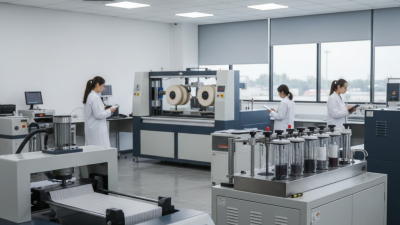
Testing laboratories play a crucial role in the textile industry. They ensure products meet quality standards through various tests. One essential piece of equipment is the tensile strength tester. This machine evaluates how much force a textile can withstand before breaking. The results help manufacturers ensure their materials are durable.
Another vital tool is the colorfastness tester. It checks how well a fabric holds its color when exposed to light, washing, or rubbing. This test is particularly important for brands that prioritize aesthetic longevity. Additionally, the pH meter is crucial. It measures the acidity or alkalinity of textile materials, affecting comfort and skin health.
Laboratories must also use washing and drying machines that replicate real-world conditions. These simulate the effects of regular care on fabric. However, equipment can sometimes provide inconsistent results. This inconsistency can arise from calibration issues or environmental factors. Continuous reflection and adaptation are necessary for labs to maintain reliability in their testing protocols.
Key Features to Look for in Textile Lab Equipment
When selecting textile lab equipment, it’s vital to prioritize key features that ensure the best quality production. Precision is a top requirement. Equipment must provide accurate measurements consistently. This accuracy impacts fabric quality directly. Look for machines with user-friendly interfaces to reduce errors during operation. The easier it is to use, the less likely mistakes will be made.
Durability is another essential aspect. Textile production involves various stresses and demands high resilience from lab equipment. Investing in machinery made from high-grade materials pays off over time. Regular maintenance should also be considered. Equipment that’s hard to maintain can lead to delays and increased costs.
Finally, consider flexibility. The textile industry is constantly evolving. Equipment that can adapt to new testing methods or materials will stay relevant longer. Performance in diverse conditions is crucial. Choose equipment that allows for trials with different fabrics. Continuous improvement and adaptability in lab processes will lead to superior product quality. It's worth reflecting on whether current tools meet these needs effectively.
Best Practices for Maintaining Textile Lab Instruments
Maintaining textile lab instruments is crucial for achieving high-quality production. Regular maintenance ensures that equipment operates efficiently, minimizing errors during testing. A recent industry report indicated that improper maintenance can lead to a 25% increase in defective products. Hence, investing time in upkeep is not just beneficial, it’s necessary.
Calibration is vital for accuracy. Instruments should be calibrated regularly according to the manufacturer's guidelines. This process helps maintain precision in measurements, ultimately ensuring that textile quality meets industry standards. Do not overlook the user manual. It contains essential care details specific to each device.
Cleaning is another cornerstone of maintenance. Dust and debris can alter test results. Establish a routine cleaning schedule for all instruments. Use appropriate cleaning solutions to avoid damage. Inspecting equipment for wear and tear is equally important. Small issues can escalate quickly if neglected.
Document all maintenance activities. Tracking these actions helps in pinpointing problems and assessing the performance of instruments over time. This practice not only keeps equipment running smoothly but also improves product quality. Remember, a well-maintained lab is the key to excellent textile production.
Emerging Technologies in Textile Testing and Quality Assurance
Emerging technologies are reshaping the textile industry, especially in testing and quality assurance. Advanced equipment ensures that textiles meet stringent standards. Optical sensors and automated testing machines enable faster assessments, which improve efficiency. This technology reduces human error, yet reliance on automation poses challenges. It may overlook subtle defects that human inspection could catch.
Another intriguing development is the integration of AI and machine learning in textile testing. These systems analyze vast amounts of data, predicting potential failures before they occur. This proactive approach is promising, but it can lead to overconfidence in technology. The balance between machine analysis and human insight remains crucial.
Moreover, the move towards sustainability is driving innovation. Eco-friendly testing methods are being developed, reducing the environmental impact of quality assurance processes. However, transitioning to these new methods can be slow. Companies face hurdles such as cost and adaptation challenges. Ensuring quality while embracing sustainable practices requires continuous reflection and adaptation, keeping the industry in a state of evolution.





 Home
Home