2026 Top Textile Testing Instruments You Need to Know?
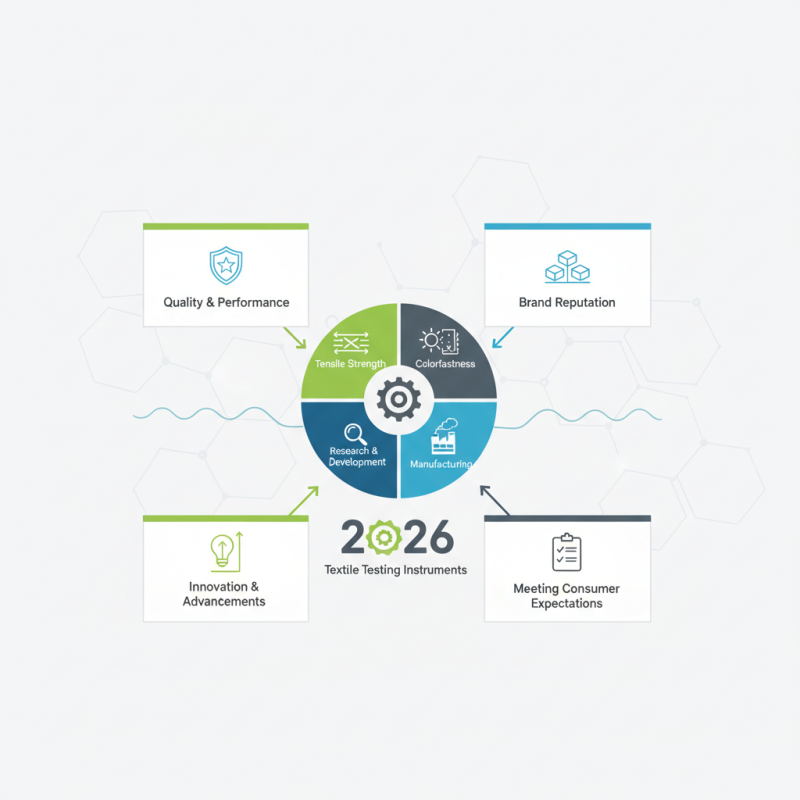
In the ever-evolving textile industry, understanding the importance of Textile Testing Instruments is crucial. These tools help ensure the quality and performance of fabrics. They play a pivotal role in research, development, and manufacturing processes.
Different instruments cater to various testing needs, from tensile strength to colorfastness. Selecting the right equipment impacts not only product quality but also brand reputation. Yet, many companies overlook proper testing methodologies. This oversight can lead to significant setbacks in meeting consumer expectations.
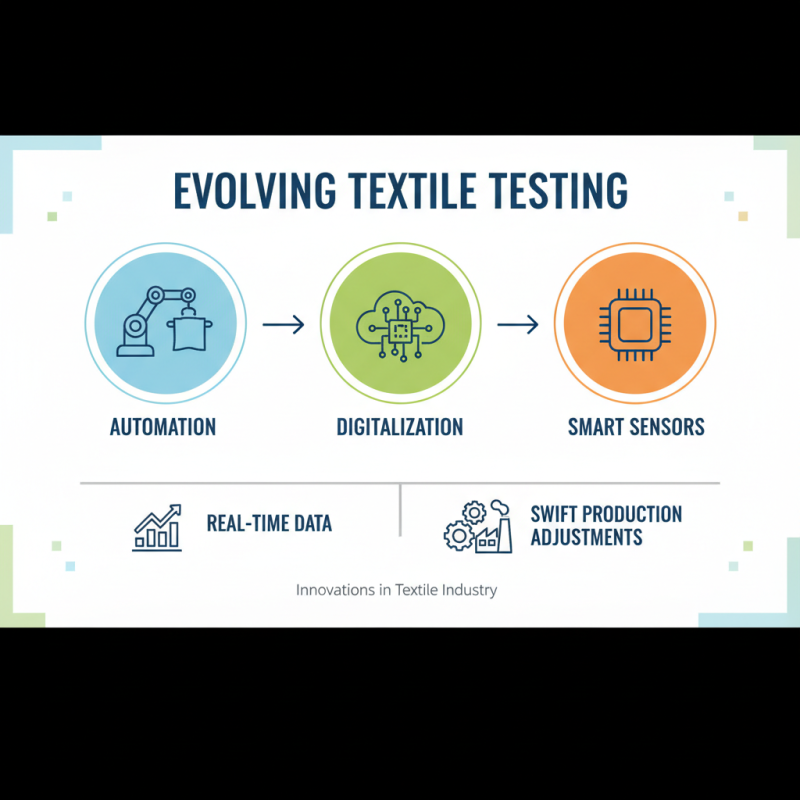
As we delve into the top Textile Testing Instruments for 2026, it's essential to recognize their implications on the broader market. Innovations are continually emerging, but challenges remain. It's vital to keep pace with advancements while reflecting on existing practices. What worked yesterday may not suffice tomorrow.
Top Textile Testing Instruments for Quality Assurance in 2026
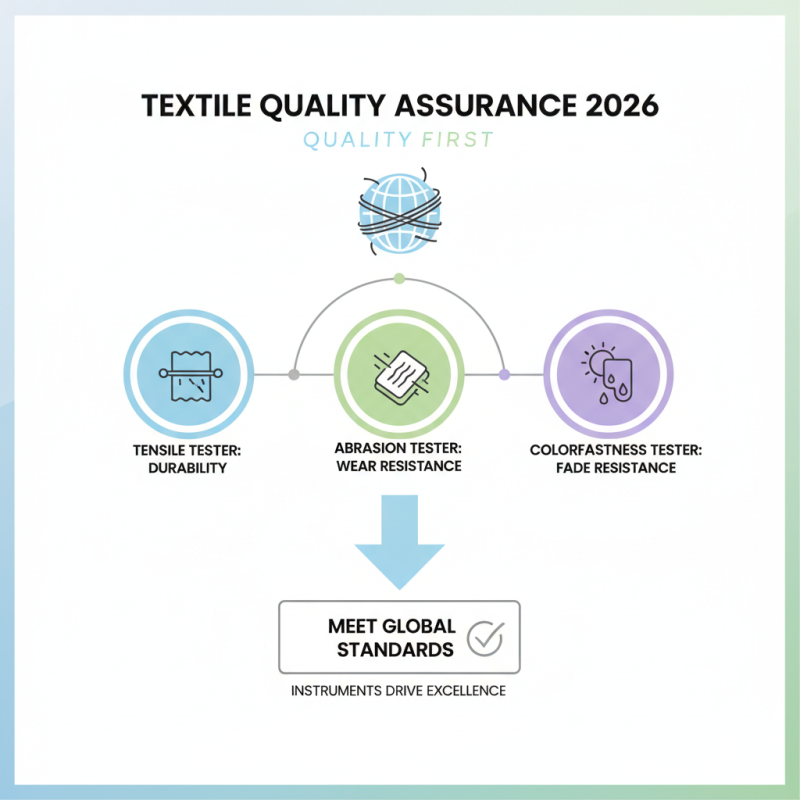
In 2026, the textile industry focuses on quality assurance more than ever. Testing instruments play a vital role in ensuring that fabrics meet industry standards. Fabrics must endure various tests to guarantee durability and functionality. Instruments such as tensile testers, abrasion testers, and colorfastness testers are essential for evaluating textile performance.
Tensile testers measure the strength and elasticity of materials. They provide insights into how much stress fabrics can handle. Abrasion testers assess how well a fabric can withstand wear over time. Colorfastness testers examine how colors hold up under washing or exposure to light. These tests are crucial. However, not all results may meet expectations. This unpredictability necessitates constant learning and adaptation in testing processes.
While advanced instruments facilitate accurate assessments, interpretation of results can be challenging. There are cases where flawed materials pass tests. This highlights the need for human oversight. Quality assurance is not just about instrumentation but also about critical thinking. It encourages professionals to reflect on the testing outcomes and refine their methods continuously.
Importance of Standardized Testing Methods in the Textile Industry
Standardized testing methods are crucial in the textile industry. They ensure quality and safety in all fabric products. A report by the Textile Testing Association states that around 70% of textile defects are identified through standardized tests. This statistic shows their significance in reducing waste and improving customer satisfaction.
Compliance with testing standards helps companies meet regulations and customer expectations. For instance, tests for colorfastness and tensile strength are common. Manufacturers report a 30% decrease in returns when they implement rigorous testing protocols. However, some companies still overlook these methods, leading to costly mistakes.
The inconsistency in testing practices can create significant issues. Nearly 40% of textiles fail to meet international standards. This gap highlights the need for effective training and better adherence to testing protocols. Companies must prioritize these methods to enhance product reliability.
Key Features to Look for in Textile Testing Instruments
When selecting textile testing instruments, consider key features that directly impact testing accuracy and efficiency. Equipment should have precise measurement capabilities. A recent industry report indicates that up to 40% of testing errors stem from inaccurate instruments. Look for devices that offer calibration options to maintain accuracy over time.
Another essential feature is data integration. Instruments should easily connect to software systems for data analysis. Integration improves workflow efficiency. Studies show that companies with integrated systems reduce time spent on data management by 25%. However, some instruments lack user-friendly interfaces. Complex setups can frustrate technicians and lead to data entry mistakes.
Durability is also crucial. Textile testing instruments often face harsh conditions. Instruments should withstand wear and provide consistent results over many tests. A staggering 30% of firms reported increased costs due to equipment breakdowns. Investing in robust products can mitigate this risk. Ultimately, choose features that align with your testing needs, but don't overlook the importance of user experience and instrument reliability.
Impact of Textile Testing on Sustainability and Environmental Compliance
Textile testing plays a crucial role in promoting sustainability. Many manufacturers overlook the environmental impact of their materials. This can lead to significant waste and pollution. By testing textiles properly, companies can identify harmful substances. This helps them make safer products.
The journey toward sustainability requires constant reflection. Some testing methods may not consider the entire lifecycle of a textile. For instance, water usage and chemical runoff often go unmeasured. This neglect can hurt ecosystems and human health. It’s vital to adopt testing instruments that address these issues. Innovative solutions exist, but they aren't always used.
Consumers are increasingly aware of sustainability. They expect transparency from brands. Testing not only ensures compliance but also builds trust. However, gaps remain in implementing comprehensive testing programs. A lack of resources can hinder smaller companies. They may struggle to keep up with regulations. Addressing these challenges is key for a sustainable future.
2026 Top Textile Testing Instruments and Their Impact on Sustainability





 Home
Home