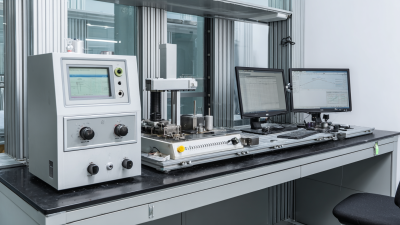
China Best Textile Lab Equipment for Global Buyers?
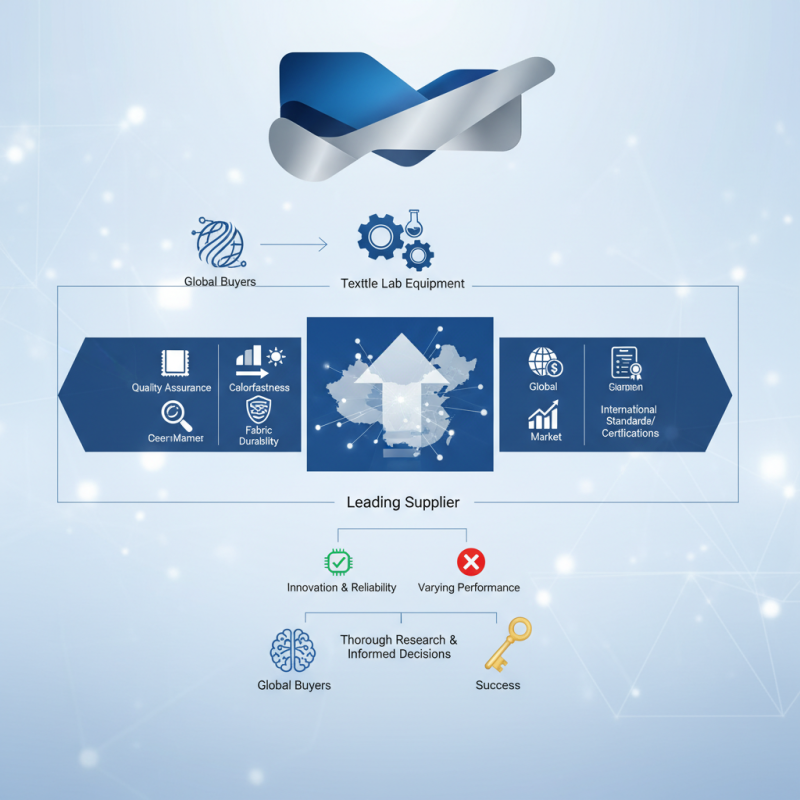
In the rapidly evolving textile industry, the importance of quality assurance cannot be overstated. Global buyers are increasingly seeking reliable and advanced Textile Lab Equipment to enhance their production capabilities. This equipment plays a crucial role in testing fabric durability, colorfastness, and other essential properties.
As China's textile market grows, it has become a leading supplier of high-quality lab equipment. Various options are available, catering to diverse needs and budgets. However, not all products meet international standards. Buyers must scrutinize specifications and certifications to ensure they invest wisely.
While many manufacturers claim superiority, actual performance can vary. Conducting thorough research is vital. Understanding the features and limitations of Textile Lab Equipment will lead to better purchasing decisions. Embracing both innovation and reliability is key to success in this competitive field.
China's Leading Textile Lab Equipment Manufacturers
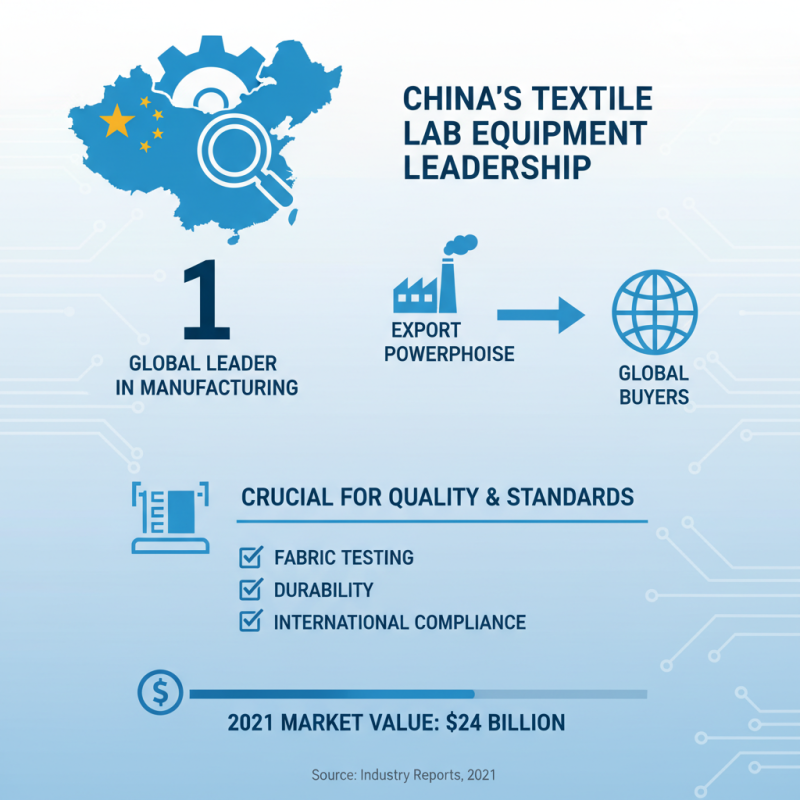
China has established itself as a leader in textile lab equipment manufacturing. The country exports a significant portion of its textile technology, serving global buyers. In 2021, the textile machinery market was valued at approximately $24 billion. The demand for high-quality lab equipment is crucial for testing fabrics, ensuring durability, and adhering to international standards.
Several top manufacturers focus on innovation and quality. They provide diverse testing machines designed for various applications. Reports indicate that up to 70% of textile companies prioritize reliable testing equipment to enhance product quality. However, not all manufacturers meet global standards. Some equipment lacks proper calibration or fails to comply with safety regulations, leading to quality issues.
While China dominates the market, challenges remain. Issues like inconsistent quality control and lack of after-sales support have emerged. Buyers must do thorough research before making a purchase. Investing in reliable lab equipment is essential, yet caution is needed. A balanced approach can lead to better outcomes for businesses in the textile industry.
Innovative Technologies in Chinese Textile Lab Equipment
Chinese textile lab equipment is at the forefront of innovation. Advanced technologies are transforming lab processes. These innovations enhance accuracy and efficiency. Crucial for quality testing, modern equipment includes user-friendly interfaces and precision controls.
One key feature is automated testing capabilities. This reduces human error and saves time. Instruments like fabric analyzers and color measurement devices are becoming essential. They provide quick, reliable results. Manufacturers are investing in research to improve functionality. However, some equipment still struggles with calibration and maintenance issues.
Moreover, sustainability is a growing concern. Many companies focus on eco-friendly technologies. However, finding balance between performance and environmental impact can be challenging. Continuous improvement is necessary. Embracing innovative solutions requires commitment and reflection. The future of textile lab equipment lies in addressing these complexities.
Quality Standards and Certifications for Textile Lab Equipment
When it comes to textile lab equipment, quality standards play a crucial role. Global buyers need to ensure that the equipment they purchase meets industry requirements. This includes certifications that demonstrate reliability and safety. Various organizations set these standards to ensure products are defensible against market demands.
Textile equipment should ideally conform to ISO standards, which are recognized worldwide. Many suppliers go through rigorous testing to obtain these certifications. This process may reveal shortcomings in equipment design or manufacturing. These findings are essential for improving quality and enhancing consumer trust.
It's important for buyers to investigate these certifications before making decisions. Reliable suppliers will provide clear documentation of standards compliance. Researching feedback from other users can also provide valuable insights. It’s an ongoing quest for improvement, reflecting a commitment to excellence in textile testing.
China Best Textile Lab Equipment for Global Buyers? - Quality Standards and Certifications for Textile Lab Equipment
| Equipment Type |
Quality Standards |
Certifications |
Applications |
| Fabric Strength Tester |
ISO 13934 |
CE, ISO 9001 |
Textile Durability Testing |
| Color Fastness Tester |
ISO 105 |
ASTM, SGS |
Dyeing Quality Assessment |
| pH Meter |
ISO 105 |
CE, RoHS |
Chemical Composition Testing |
| Stiffness Tester |
ASTM D1388 |
ISO 9001, CE |
Fabric Hand Evaluation |
| Thermal Conductivity Tester |
ISO 8301 |
CE, TÜV |
Insulation Materials Testing |
Global Market Trends for Textile Lab Equipment from China
The textile lab equipment market in China is evolving. According to a recent research report, the global textile testing equipment market is expected to grow at a CAGR of 5.2% from 2022 to 2028. This growth indicates increasing demand for high-quality textiles. It also emphasizes the need for reliable and accurate testing solutions in the industry.
Many global buyers are looking for sustainable and efficient lab equipment. China's advancements in technology have led to the production of innovative textile testing devices. A survey found that 65% of companies prefer suppliers that focus on eco-friendly materials. Buyers are prioritizing equipment that supports sustainability. However, some manufacturers face challenges in meeting these expectations.
Quality assurance remains a critical concern. A significant percentage of buyers report fluctuating standards in tests. They also mention inconsistent results from different equipment. This inconsistency raises questions about the reliability of current offerings. As the market matures, producers must adapt to higher standards. Striving for excellence is essential for future growth.
Global Textile Lab Equipment Market Trends
This chart illustrates the yearly growth forecast for different types of textile lab equipment from China, showcasing the increasing demand in the global market. The data reflects trends in testing equipment, dyeing machines, and fabric inspection tools.
Transportation and Logistics for Textile Equipment Exportation
When exporting textile lab equipment, transportation and logistics play a critical role. Global buyers must ensure reliable shipping options. Consider air freight for urgent shipments, while sea freight offers cost-effective solutions for bulk orders. Both methods have their pros and cons. Air freight is faster but typically more expensive. Sea freight reduces costs but requires longer lead times.
It's essential to work with experienced shipping partners. They understand customs regulations and can streamline the export process. Delays can occur if paperwork is incomplete or incorrect. Ensuring everything is prepared can save time and avoid complications.
Tip: Always double-check all documentation before shipping. Missing details can cause significant delays. Regular communication with suppliers and logistics providers is crucial for smooth operations. Establishing clear timelines and expectations can minimize misunderstandings.
Another point to ponder is the choice of packaging. Durable packaging protects equipment during transit. Choose materials that can withstand both pressure and weather conditions. This consideration is often overlooked but can be critical in preventing damage.
Tip: Invest in quality packaging materials. They can save costs in the long run by reducing damage claims. The balance between cost and protection is vital for successful exportation.





 Home
Home