• facebook
  • youtube
  • linkedin
Leave Your Message

China Best Coefficient Of Friction Testing Equipment?

Choosing China’s best Coefficient Of Friction Testing Equipment requires more than comparing prices or digital displays. Testing accuracy affects film handling, packaging speed, sealing performance, and product protection. A small friction error can cause slipping on a conveyor or unstable film feeding.

ISO 8295 and ASTM D1894 define widely used methods for measuring static and kinetic friction. These standards emphasize controlled contact, consistent load, and repeatable sliding speed. In practical laboratory work, operators should condition samples near 23°C and 50% relative humidity whenever applicable. Surface dust, humidity, and film orientation can change the result. They are easy to overlook.

Industry data also shows why this test matters. The World Bank’s What a Waste 2.0 report estimated 2.01 billion tonnes of municipal solid waste were generated globally in 2016. Better packaging control can reduce processing defects, material waste, and unnecessary product damage. Meanwhile, flexible packaging reports from Smithers continue to identify film performance and process efficiency as major market concerns. These reports do not prove that one Chinese supplier is automatically the best.

A reliable comparison should examine calibration traceability, load-cell stability, software records, sample fixtures, and after-sales support. Chinese manufacturers offer strong value, but quality varies between models. Some brochures promise excellent repeatability without publishing uncertainty data. That deserves careful questioning.

This guide evaluates leading Chinese equipment through standards compliance, measurement consistency, usability, and technical service. It also considers factory experience, documentation quality, and realistic laboratory conditions. The best choice is not always the cheapest. It is the instrument that produces defensible results, test after test.

China Best Coefficient Of Friction Testing Equipment?

What Is a Coefficient of Friction Testing Equipment?

What Is a Coefficient of Friction Testing Equipment?

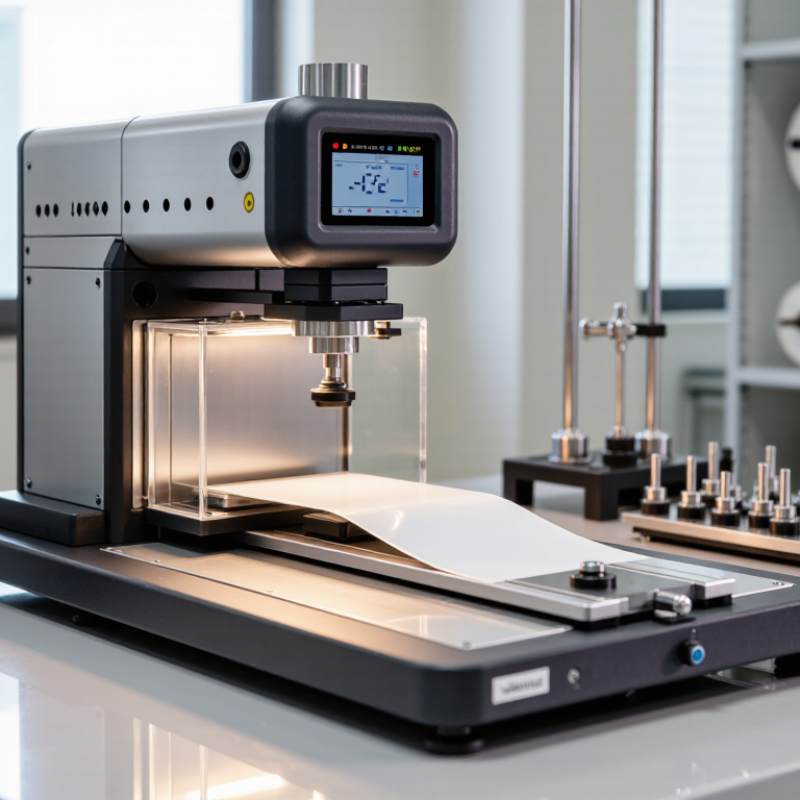
Coefficient of friction testing equipment measures how strongly two surfaces resist sliding. It usually reports static friction, kinetic friction, or both. A film strip slides across a defined surface under controlled load. A load cell records the pulling force. The software then calculates friction using force divided by normal load.

In simple terms, COF = friction force ÷ applied force.

For packaging films, ASTM D1894 and ISO 8295 describe widely used test procedures. ASTM D1894 typically evaluates static and kinetic COF under controlled laboratory conditions. ISO 8295 emphasizes consistent specimen preparation, contact pressure, and sliding speed.

These details matter. A small wrinkle can change the result. So can dust, humidity, or surface migration. Experienced technicians often condition specimens before testing, commonly at 23°C and 50% relative humidity, following standard laboratory practice.

The test report should identify film direction, thickness, temperature, humidity, load, speed, and surface material. Without these details, two COF values may look comparable but represent different conditions.

A 2023 technical review in Tribology International also stresses that friction depends on surface roughness, material pairing, and measurement environment.

That finding deserves attention. A neat result can still be misleading. For example, a low kinetic COF may support faster packaging movement, while excessive slipperiness can weaken stacking stability.

Reliable equipment therefore needs calibrated force measurement, stable motion, and repeatability checks. Even then, one test is not enough. Real production conditions may behave differently.

How Coefficient of Friction Testing Equipment Works

China Best Coefficient Of Friction Testing Equipment?

How Coefficient of Friction Testing Equipment Works

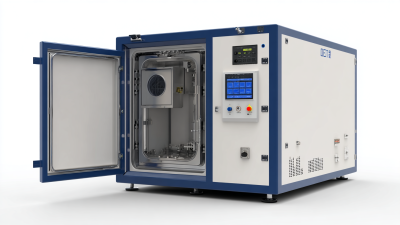
Coefficient of friction testing equipment measures how easily two surfaces slide. A prepared sample rests on a flat platform. A weighted sled moves across it at a controlled speed. The load cell records resistance during movement. Software then calculates static and kinetic friction values. Static friction shows the force needed to start sliding. Kinetic friction shows resistance during continuous motion. In practical laboratory work, small dust particles can change the result. That detail is easy to overlook.

ASTM D1894 and ISO 8295 provide common procedures for plastic films and packaging materials. They control sled mass, travel speed, sample preparation, and conditioning. Following one method improves repeatability between laboratories. Mordor Intelligence estimated the global flexible packaging market at about 201.5 billion US dollars in 2024. This scale increases the need for reliable film testing. However, market data describes demand, not measurement quality. A technically advanced instrument still needs careful handling and calibration.

Tips: Condition samples before testing. Keep the film flat and wrinkle-free. Clean the sled contact surface after each series. Test several specimens, not just one. Report temperature, humidity, direction, and surface pairing. A perfectly smooth result may be suspicious. Real packaging surfaces are rarely perfect.

China Best Coefficient of Friction Testing Equipment? – How Coefficient of Friction Testing Equipment Works

Coefficient of friction testing equipment measures the force required to start and maintain sliding between two surfaces. The chart shows representative static and kinetic friction coefficients for common material pairs under dry, room-temperature sliding conditions. Actual results can vary with surface roughness, load, speed, temperature, humidity, and test method.

Key Features of China-Made Friction Testing Equipment

China’s best coefficient of friction testing equipment should offer more than an attractive price. Its value depends on measurement stability, practical controls, and dependable support. A reliable model measures both static and kinetic friction with consistent pressure and movement. Static friction shows the force needed to start sliding. Kinetic friction describes resistance during continued motion. That distinction matters in packaging, flooring, films, textiles, and automotive materials. In practical testing, a sensitive load cell can reveal small surface differences. Even slight contamination may change the reading.

Key features of China-made friction testing equipment include adjustable test speed, accurate load control, and a rigid test platform. The software should record force curves, peak values, average results, and test conditions. Clear graphs help technicians identify irregular movement. However, automation does not replace careful inspection. We once found that a loose sample edge produced an unusually high result. That mistake reminded us to check alignment before trusting the data. Good equipment supports judgment; it does not remove responsibility.

Calibration support is equally important. Traceable reference materials improve confidence between laboratories. A sturdy frame reduces vibration from nearby machines. Temperature and humidity monitoring can make sensitive tests more repeatable. Safety shielding is useful when samples move rapidly. Before purchase, users should examine maintenance access, data export options, and local technical assistance. Some low-cost units appear capable, yet their sensors may drift after heavy use. That possibility deserves honest evaluation.

China Best Coefficient Of Friction Testing Equipment? - Key Features of China-Made Friction Testing Equipment

Evaluation Dimension Typical Specification or Capability Why It Matters Relevant Test Reference
Primary Measurement Static coefficient of friction (SCOF) and kinetic coefficient of friction (KCOF) Separates the force required to start sliding from the force required to maintain sliding. ASTM D1894; ISO 8295
Common Test Materials Plastic films, sheets, paper, paperboard, rubber, textiles, coatings and laminated materials Supports packaging, converting, material development and quality-control applications. Material-specific procedures should be selected before testing.
Load Measurement Low-capacity force sensor, commonly configured for forces from approximately 0 to 5 N A suitable force range improves sensitivity when measuring low-friction surfaces. Verify the selected load cell and calibration range for the intended material.
Coefficient of Friction Range Typically designed to report values around 0.05 to 1.50, depending on sensor capacity and software configuration Covers many common low- and medium-friction material combinations. Actual measurable range must be confirmed through instrument verification.
Sliding Speed Commonly adjustable from approximately 50 to 300 mm/min; standardized methods often use 150 mm/min Controlled speed improves repeatability and enables method-to-method comparison. ASTM D1894 commonly specifies 150 mm/min; check the applicable method edition.
Test Stroke Typical travel distance of approximately 100 to 200 mm Provides sufficient travel for stable kinetic-friction measurement while limiting sample consumption. The stroke should meet the selected standard and laboratory procedure.
Sled Configuration Interchangeable sleds, often approximately 200 g, with optional mass additions for method-specific loads Consistent sled mass is essential because normal force directly affects the calculated coefficient. ASTM D1894 and ISO 8295 define specific sled and contact requirements.
Test Surface Size Common working areas accommodate film or sheet specimens approximately 60 to 150 mm wide Adequate specimen area helps prevent edge effects and supports repeatable alignment. Use the specimen dimensions required by the selected test method.
Data Acquisition Real-time force curve, automatic SCOF/KCOF calculation, peak-force display and test-result storage Digital records reduce manual calculation errors and improve traceability. Software functions should be validated against known reference results.
Repeatability Features Motor-driven carriage, rigid test platform, guided sled movement and adjustable leveling feet Mechanical stability reduces vibration, skew and operator-dependent variation. Repeatability depends on equipment condition, specimen preparation and operator practice.
Environmental Control Testing commonly performed at 23 ± 2 °C and 50 ± 5% relative humidity after conditioning Temperature and humidity can significantly change surface friction, especially for paper and polymer films. Conditioning requirements should follow the applicable standard or product specification.
Calibration and Verification Force calibration using traceable weights or a calibrated force standard; speed and displacement checks recommended Regular verification supports reliable results and audit readiness. Calibration intervals should be defined by laboratory quality procedures.
Electrical Supply Typically available for 100–240 V AC, 50/60 Hz input; confirm configuration before installation Broad input compatibility simplifies use in different laboratories and regions. Electrical safety and conformity documentation should be reviewed for the destination market.
Best Selection Criteria Standard compliance, force-sensor suitability, speed stability, calibration support, software traceability and after-sales service These factors usually have more impact on result quality than purchase price alone. Request a documented test method, calibration certificate and sample report before acceptance.

Note: The specifications above represent common configurations and testing practices. Exact performance, dimensions and available functions vary by equipment configuration and should be verified against the supplier’s technical documentation.

How to Select the Best Chinese Testing Equipment

China Best Coefficient Of Friction Testing Equipment?

How to Select the Best Chinese Testing Equipment

Selecting Chinese coefficient of friction testing equipment requires more than comparing prices. Start with your material, testing direction, and expected load range. A device for plastic film may not suit coated paper or textile surfaces. Check whether the system supports relevant methods, such as ASTM D1894 or ISO 8295. Test the samples.

Ask for evidence. Request calibration certificates, repeatability data, and example test reports from recent production units. The load cell should match your testing range, not merely offer the highest capacity. Examine the sled surface, travel speed, software controls, and temperature conditions. Small design details can change friction results.

A reliable supplier should explain factory inspection, calibration traceability, spare parts, and operator training. Video demonstrations are useful, but live sample testing is stronger evidence. Send identical specimens and compare the results with your laboratory data. I have learned that a low quotation can hide weak documentation or expensive maintenance. Sometimes, communication is the real risk. Confirm technical terms, delivery conditions, installation support, and response times in writing. Review the electrical requirements carefully, especially for international laboratories. Ask whether software updates preserve earlier records and export common file formats. No selection is perfect. Leave room for uncertainty, and verify performance before full payment.

Applications and Quality Standards for Friction Testing Equipment

China Best Coefficient Of Friction Testing Equipment?

Applications and Quality Standards for Friction Testing Equipment

Coefficient of friction equipment supports packaging, plastics, textiles, automotive parts, and medical materials. In packaging labs, it measures how easily films slide across each other. A film sample may show 0.25 static friction and 0.18 kinetic friction. That difference can affect feeding speed and sealing stability. ASTM D1894 and ISO 8295 provide recognized procedures for plastic-film testing. They define specimen preparation, sliding conditions, and result reporting. Consistent conditioning remains essential. Small humidity changes can alter the readings.

Quality should involve more than a polished instrument case. The ISO Survey 2023 recorded over 1.26 million ISO 9001 certificates worldwide. This figure shows the importance of controlled processes, calibration records, and corrective actions. Buyers should request calibration traceability, repeatability data, software records, and maintenance guidance. A 2024 industry analysis also identifies packaging and polymer testing as major demand areas. However, market forecasts are not laboratory evidence. That distinction is easy to miss.

Tips: Use the same sample direction, temperature, and humidity for every test. Check the load cell before each series. Keep raw curves, not only average values. A low friction value is not automatically better. Excessive slip can damage package handling. One practical weakness remains: operators may follow the standard but overlook surface contamination. Regular cleaning and witness samples can expose that problem.