How to Choose a Fabric Testing Machine in 2026?
Choosing a Fabric Testing Machine in 2026 is not simply a purchasing task. It is a decision about evidence, repeatability, and production risk. A machine may look impressive in a showroom, yet perform poorly with delicate knits, coated fabrics, or heavy denim. The details matter.
Dr. Subhash K. Batra, a respected textile-testing researcher, offers a useful principle: “A test result is meaningful only when the method behind it is controlled.” This idea should guide every comparison. Buyers need to examine the load cell range, clamp design, crosshead speed, sensor accuracy, and software reporting. They should also check whether the system supports recognized methods, such as tensile, tear, bursting, abrasion, or seam-strength testing. Small samples should remain flat. Slippery fabric should not escape the grips. Humidity can change results.
Real conditions expose weak choices.
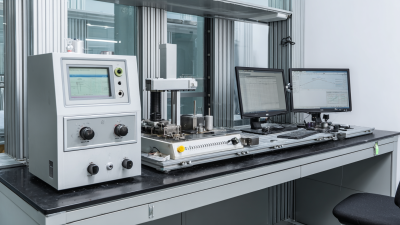
A reliable Fabric Testing Machine must fit the laboratory’s daily workload, not just its product brochure. Consider operator training, calibration access, spare parts, data export, and after-sales support. Ask for sample reports and witness a live test when possible. A machine that saves money initially may create expensive retesting later. However, even experienced buyers can overlook practical issues, especially when specifications appear similar. That is worth admitting. The best decision may not be the most automated or expensive model. It should deliver stable results, clear traceability, and useful data across real fabric types. This guide explains the questions that deserve attention before signing a purchase order.
Define Fabric Testing Goals Using ISO 13934-1 Tensile and ISO 12947 Abrasion Data
How to Choose a Fabric Testing Machine in 2026?
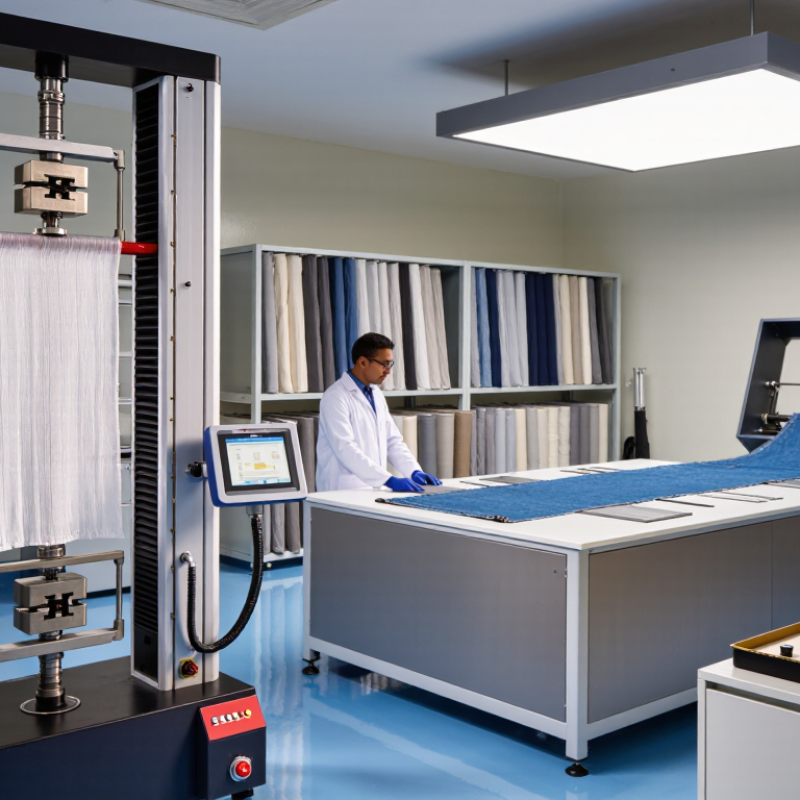
A reliable machine should match your fabric testing goals, not simply offer the highest load. ISO 13934-1 measures strip-method tensile strength and elongation. It reveals how fabric behaves when seams, handles, or body movement create stress. Define the required force range, clamp width, extension speed, and specimen direction before purchasing. Test both warp and weft. Their results may differ sharply.
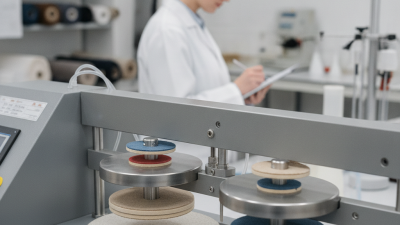
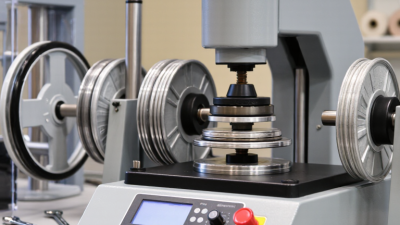
For surface durability, ISO 12947 uses the Martindale abrasion method. Set a target based on end use, not vague claims such as “premium durability.” A workwear fabric may need repeated abrasion under heavier pressure. A lightweight lining needs a different threshold. Record cycles to breakdown, mass loss, and visible damage. Numbers alone are not enough. Photograph the first yarn break.
Industry scale increases the need for repeatable testing. Textile Exchange’s Materials Market Report 2024 estimated global fiber production at 124 million tonnes in 2023. It projects about 160 million tonnes by 2030. More material means more quality decisions. Choose equipment with traceable calibration, stable pressure control, and exportable raw data. Condition specimens under the relevant laboratory atmosphere before testing. Small humidity changes can shift textile results. I would not trust one specimen set. Test multiple replicates, review variation, and investigate surprising values. Perfect repeatability is unlikely. Weak repeatability deserves attention.
Match Machine Types to Fabric Properties, Test Loads, and Measurement Ranges
How to Choose a Fabric Testing Machine in 2026?
Choose the machine according to the fabric, not only the test name. Woven cotton may need tensile and tear testing under moderate loads. Stretch fabric requires controlled extension, repeat cycles, and accurate recovery measurements. Heavy upholstery fabric may need higher force capacity and stronger clamps. For knitted materials, low-force sensitivity matters because small errors can distort elongation results. A suitable measurement range should cover both weak samples and expected peak loads. Oversized capacity can reduce precision at low forces.
Consider the fabric’s structure, thickness, surface, and intended use. Abrasion testing needs stable pressure and repeatable motion. Bursting tests require enough chamber space and controlled pressure increases. Air permeability equipment should measure small airflow differences without excessive leakage. In practice, fixtures often influence results as much as the main sensor. Poor alignment can create misleading readings. It happens.
Tips:
Check the full operating range, resolution, clamp design, software records, and calibration process. Ask for sample testing before purchase. Use several fabric types, including delicate and heavy specimens. One test is not enough. Review repeatability between operators and across days. A machine that looks versatile may still lack the right fixture or load cell. Keep documented maintenance intervals, environmental conditions, and test methods. These details support reliable decisions when results are questioned.
Evaluate Throughput Using Specimen Capacity, Test Speed, and Data-Logging Rates
Choosing a fabric testing machine in 2026 starts with throughput, not a glossy feature list. In daily laboratory work, specimen capacity determines how often an operator must reload samples. A frame holding 20 specimens can outperform a faster machine holding only four. It depends on preparation time, clamping, and test duration. Watch the whole workflow. Small delays accumulate.
Compare test speed with your actual method, rather than the maximum value in a brochure. A high crosshead speed may shorten simple runs but create handling problems for delicate fabrics. Record the usable speed range, ramp control, and recovery time between tests. Then calculate completed specimens per hour. Leave room for conditioning, failed grips, and repeat tests. This is where estimates become less comfortable, but more honest. During a trial, time one operator from the first label scan to the exported result.
Data-logging rate deserves equal attention. A system sampling too slowly can miss a sharp peak, while excessive recording can create heavy files and slower review. Check whether force, extension, time, and environmental notes remain synchronized. Test the export format with your laboratory software. Reliability also means clear timestamps, protected raw data, and simple audit trails. I would not choose from a demonstration alone. Ask for a trial using your fabric types, specimen dimensions, and target workload. Real throughput is often lower than calculation. That is not failure. It is useful evidence.





 Home
Home