How to Choose the Best Fabric Testing Instruments for Quality?
Choosing the best fabric testing instruments is crucial for ensuring quality in the textile industry. Quality textiles directly impact fashion, function, and consumer safety. Recent studies indicate that 45% of consumers prioritize fabric quality. To maintain competitive advantage, manufacturers need reliable testing methods.
Fabric testing instruments play a pivotal role in evaluating materials. These instruments measure tensile strength, colorfastness, and durability. Inaccurate testing can lead to costly product recalls and damage brand reputation. According to industry data, improper quality checks led to losses exceeding $1 billion last year. Hence, meticulous selection of testing equipment is vital.
Investing in advanced fabric testing instruments enhances product reliability. New technologies are emerging, but not all provide consistent results. It can be challenging to balance cost with quality. By understanding the specific requirements of your production process and aligning them with the right instruments, manufacturers can foster trust with their customers. Careful planning and evaluation are necessary for optimal testing outcomes.
Understanding the Importance of Fabric Testing Instruments in Quality Assessment
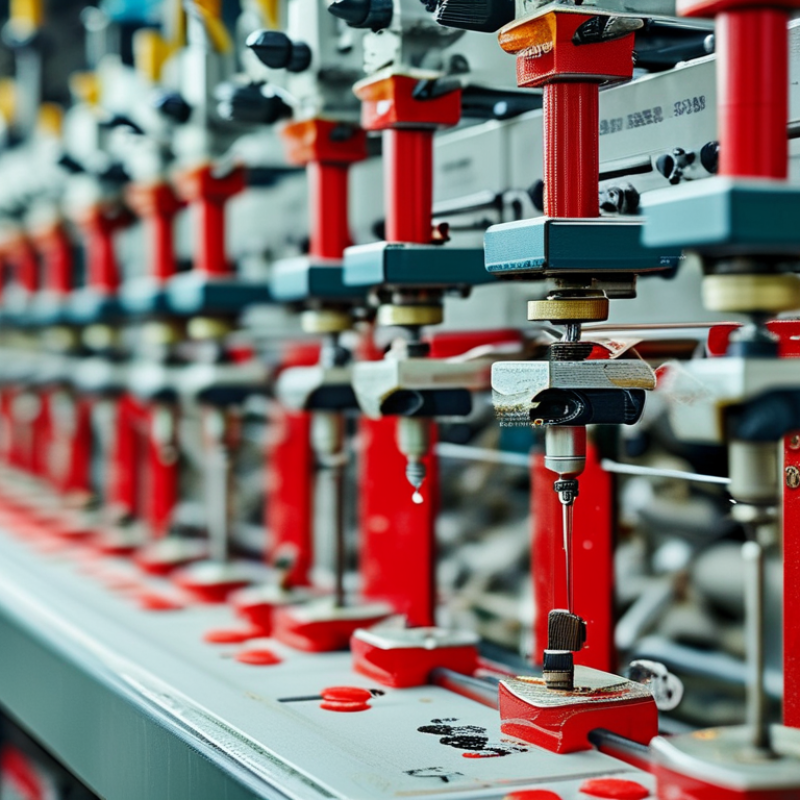
In the textile industry, fabric testing instruments play a crucial role in quality assessment. These tools help evaluate various attributes, such as strength, durability, and colorfastness. A reliable fabric tester provides objective data that influences production decisions and ensures customer satisfaction.
Understanding the importance of these instruments starts with recognizing their impact on product longevity. Using precise testing equipment can uncover issues like weak seams or fading colors. These problems could lead to unsatisfied customers or returns. It's also essential to assess the limitations of your chosen instruments. Some tests may not reflect real-world conditions, which could mislead quality evaluations.
Implementing strict testing protocols strengthens a company's reputation. However, manufacturers must continuously educate themselves about advancements in fabric testing. This practice leads to better results in quality assurance. The journey to high-quality textiles is complex and requires reflection and adaptation. Investing in proper fabric testing instruments makes a difference in achieving fabric excellence.
Key Factors to Consider When Selecting Fabric Testing Instruments
Selecting the right fabric testing instruments is crucial for
quality assurance. There are several key factors to consider. Understanding specific testing requirements is paramount.
Different fabrics have unique properties and uses. For example, water resistance tests
may be necessary for outdoor materials, while breathability tests
are vital for sportswear. A thorough assessment of the fabric type will guide your instrument choices.
Accuracy is another essential factor. According to a recent report by the
Textile Research Institute, 85% of quality issues arise from miscalibrated testing equipment.
Regular calibration is critical. Instruments must provide consistent and reliable results to maintain industry standards.
Consider the sensitivity range that meets your testing needs.
Instrument versatility also plays a significant role. A single device that performs
multiple tests can save time and resources. However, too many features can complicate its use. Training becomes necessary, which can strain resources.
The user’s experience with the instrument can significantly impact test outcomes. Balancing these considerations
will lead to a more informed decision.
Types of Fabric Testing Instruments and Their Specific Uses
When selecting fabric testing instruments, understanding their types and specific applications is crucial. Tensile testers evaluate a fabric's strength by applying stress until it breaks. This testing method helps identify weaknesses in the material. Moreover, abrasion testers examine how resistant a fabric is to wear and tear. It simulates real-life usage by rubbing fabrics against one another.
In addition, color fastness testers assess how well a fabric maintains its color when exposed to elements like washing or sunlight. These instruments play a vital role in ensuring that fabrics meet quality standards. Depending on the project, other tests may include pilling testers and water repellency testers, which measure the fabric's ability to resist staining and moisture.
Despite advancements in technology, choosing the right instrument can be challenging. It's essential to match the testing method with the fabric type. A misstep can lead to inaccurate results. For instance, using a tensile tester on a delicate fabric may yield misleading information about its durability. Understanding each instrument's purpose helps avoid such pitfalls. Balancing different testing methods ensures a comprehensive evaluation of fabric quality.
Fabric Testing Instruments and Their Uses
Evaluating Accuracy and Precision in Fabric Testing Devices
Choosing the right fabric testing instruments is crucial for any textile business. Accuracy and precision in these devices play a significant role in maintaining quality. According to a 2022 report by the Textile Research Journal, over 40% of fabric failures can be traced back to inadequate testing methods. This underscores the importance of selecting reliable instruments that yield consistent results.
Precision in fabric testing is generally measured through standard deviation and measurement uncertainty. Devices that show a high level of precision typically have a standard deviation of less than 0.5. This means that manufacturers should seek instruments that provide replicable results with minimal variance. For instance, testing tensile strength demands a device calibrated to measure down to the smallest detail.
However, even the best instruments are not infallible. Calibration can drift over time, affecting accuracy. Regular recalibration is essential to offset this variability. Furthermore, user error can also compromise quality. Training operators to correctly use testing devices ensures more reliable results. The textile industry must continuously reflect on these factors to improve their fabric quality assurance processes.
Budget Considerations for Quality Fabric Testing Equipment
Choosing fabric testing instruments can be daunting, especially on a budget. Quality equipment is essential for accurate results, but costs can add up quickly. Balancing quality and budget requires careful consideration.
When evaluating your options, set a clear budget range. Research what features are essential for your testing needs. Prioritize instruments that offer the best value, not just the lowest price. Avoid tools that seem appealing due to a low cost but may compromise on accuracy or performance.
Tips: Look for multipurpose instruments to save costs. Compare prices online and in local stores. Consider purchasing refurbished equipment from reputable sources. Evaluate if the investment in high-quality instruments will lead to better testing efficiency and reliability in the long run. Always ask about warranties and customer support, as they contribute to long-term cost savings.





 Home
Home