2026 Best Textile Testing Instruments for Global Buyers?
In the ever-evolving textile industry, choosing the right Textile Testing Instruments is crucial for quality control. These instruments play a vital role in ensuring that fabrics meet both domestic and international standards. As global buyers seek reliable options, understanding the features and reliability of these tools is paramount.
The market is flooded with various testing instruments, making it overwhelming for decision-makers. Factors such as precision, durability, and ease of use should be prioritized. A well-informed choice can lead to better product quality and client satisfaction. However, we often overlook the importance of user training and maintenance. Neglecting these aspects can lead to inaccurate results.
Investing in the best Textile Testing Instruments is essential, yet it requires thoughtful consideration. While many brands boast high-tech features, real-world performance should guide your choices. Balancing innovation with practical utility becomes a challenge. Reflecting on past decisions can illuminate the path to smarter purchases. The future demands both competence and insight in selecting these critical tools.

Overview of Textile Testing Instruments and Their Importance in the Industry
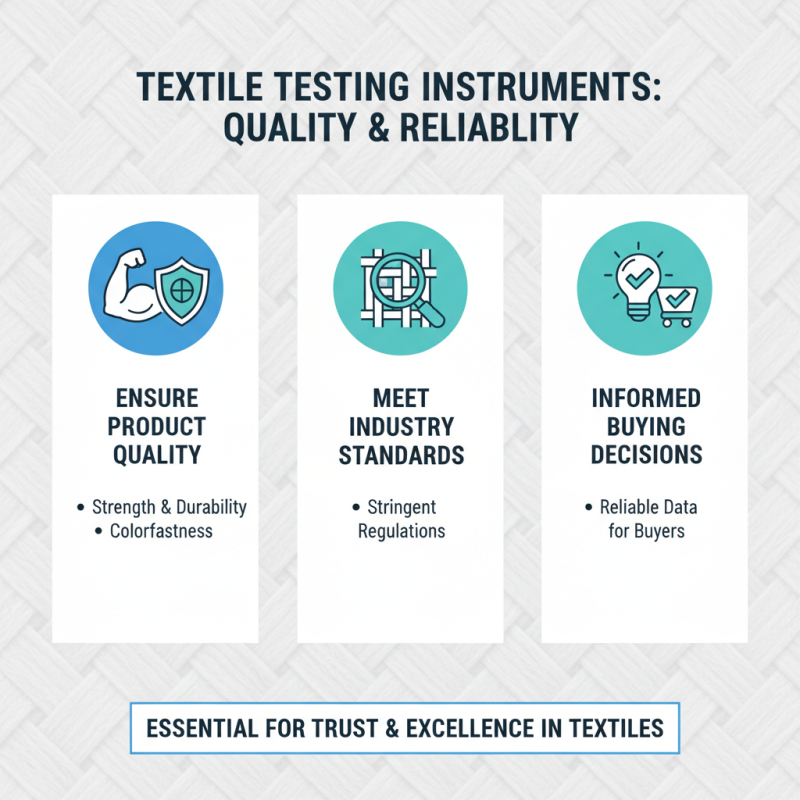
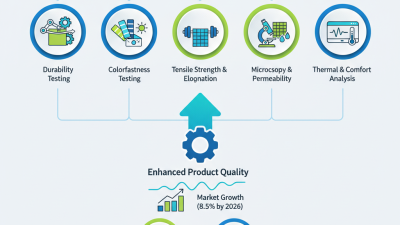
Textile testing instruments play a crucial role in ensuring product quality. These tools help manufacturers assess fabric properties such as strength, durability, and colorfastness. In an industry where standards are stringent, proper testing is essential. Buyers need reliable instruments to make informed decisions.
Accuracy and precision are vital in textile testing. For instance, tensile testers measure how much force a fabric can withstand before breaking. This data is essential for safety and performance. Light fastness testers gauge how fabrics respond to sunlight. As fashion trends evolve, so do testing needs.
While many instruments exist, choosing the right ones can be challenging. Buyers often face confusion over specifications and capabilities. Investing in quality testing instruments can prevent costly mistakes. Each testing process leaves room for improvement, urging manufacturers to continually enhance their methodologies. The goal is to achieve excellence in every fabric produced.
Key Features to Look for in Textile Testing Instruments
When selecting textile testing instruments, buyers should prioritize accuracy. Accurate measurements ensure that fabric quality is consistent. Regular calibration of instruments is essential. Without it, results can be misleading. This can lead to poor product decisions.
Another critical feature is ease of use. User-friendly interfaces make testing more efficient. Testers should not waste time deciphering complicated controls. Intuitive designs help streamline the process. Additionally, consider the versatility of the equipment. Instruments that cater to multiple tests save money and space.
Lastly, data management capabilities are important. Instruments should support comprehensive reporting and analysis. Cloud connectivity is becoming a trend, allowing for real-time monitoring. However, not all systems provide robust data security. Buyers must assess these risks. Overall, the goal is to find reliable instruments that meet specific textile testing needs.
Top Textile Testing Instruments for Different Fabrics and Applications
The textile testing landscape is diverse, reflecting the wide range of fabrics and applications. From natural fibers like cotton to synthetic materials such as polyester, each type demands specific testing methods. Whether it's measuring tensile strength or evaluating colorfastness, understanding these needs is crucial for manufacturers. Various instruments serve distinct purposes. For soft, delicate fabrics, instruments that assess pilling and abrasion resistance are vital. Conversely, robust materials often require tests for tensile and tear strength.
Specific applications also determine the choice of testing instruments. For instance, assessing moisture management in activewear demands different metrics compared to formal garments. This makes application-oriented testing essential. Additionally, advancements in technology allow for more precise measurements. However, manufacturers must remember that relying solely on high-tech solutions can lead to overlooking fundamental testing practices. A balance is necessary. Regular calibration and consistent methodologies are essential to ensure accurate results.
Navigating the myriad of testing options can be overwhelming. Buyers must critically evaluate their specific needs. Selecting the right instrument affects product quality and compliance with industry standards. Guidance from textile experts can help make informed choices. However, even the most advanced instruments require proper usage and interpretation of results. Continuous learning and adaptation are key to refining testing processes in the ever-evolving textile industry.
2026 Best Textile Testing Instruments for Different Fabrics
This chart illustrates the test accuracy percentage of various textile testing instruments used for evaluating different types of fabrics. Each instrument plays a crucial role in ensuring the quality and durability of textiles.
Comparison of Leading Brands in Textile Testing Equipment
In the textile industry, testing instruments play a crucial role. They ensure products meet quality standards and consumer expectations. Recent studies indicate that improper testing may lead to significant quality control issues. According to Textile World, 30% of producers faced product recalls due to inadequate testing in the last year.
When comparing brands, several factors come into play. Technology advancements, ease of use, and accuracy are vital. Research from the International Journal of Textile Science highlights that 45% of manufacturers prefer equipment with automated features. These instruments save time and reduce human error during testing processes. However, some brands still rely on outdated technology, leading to inconsistencies in results.
Cost is another consideration in this market. A detailed report by Global Industry Analysts shows that 60% of buyers look for balance between quality and pricing. Investing in reliable equipment can minimize long-term costs. Still, many brands struggle to justify higher expenses for state-of-the-art tools, which can produce reliable data. Gaps in understanding the needs of modern textile testing hinder progress for some manufacturers.
Future Trends in Textile Testing Technologies for Global Buyers
The textile industry is swiftly evolving. Buyers need to be aware of emerging technologies. Innovation in textile testing instruments is crucial for ensuring quality. Recent studies show that 70% of manufacturers prioritize advanced testing methods. This reflects a growing demand for accuracy and efficiency.
Automation and AI are reshaping textile testing. According to a report by the International Textile and Apparel Association, automated testing increases output by 40%. This efficiency helps brands maintain quality while reducing costs. However, the integration of these technologies can be challenging. Not all companies have the resources or expertise to implement them effectively.
Sustainability is another key trend. The industry faces pressure to reduce its environmental impact. Studies indicate that eco-friendly testing methods are expected to rise by 30% in the next five years. Many buyers may struggle to find reliable options that meet these standards. As a result, staying informed is vital for success in this competitive market.





 Home
Home