Top 10 Textile Laboratory Equipment for Efficient Testing Solutions?
In the dynamic world of textiles, efficient testing is essential for quality assurance. Textile Laboratory Equipment plays a critical role in this process. The global textile testing market is projected to reach $4.4 billion by 2026, according to a recent industry report. This growth emphasizes the increasing demand for precision in textile analysis.
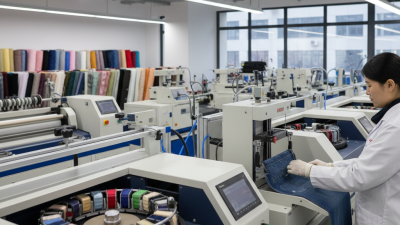
Modern labs require specialized equipment to meet stringent standards. From fabric strength testers to colorfastness machines, each tool serves a specific purpose. Companies must choose the right equipment to ensure compliance with regulations and to enhance product quality. A single miscalibration can lead to significant setbacks.
However, selecting the best equipment is not always straightforward. Some laboratories struggle with outdated technology. This can hinder accurate results and slow down testing processes. As the industry evolves, staying updated with the latest advancements in Textile Laboratory Equipment becomes crucial for competitiveness.
Importance of Textile Laboratory Equipment in Quality Testing
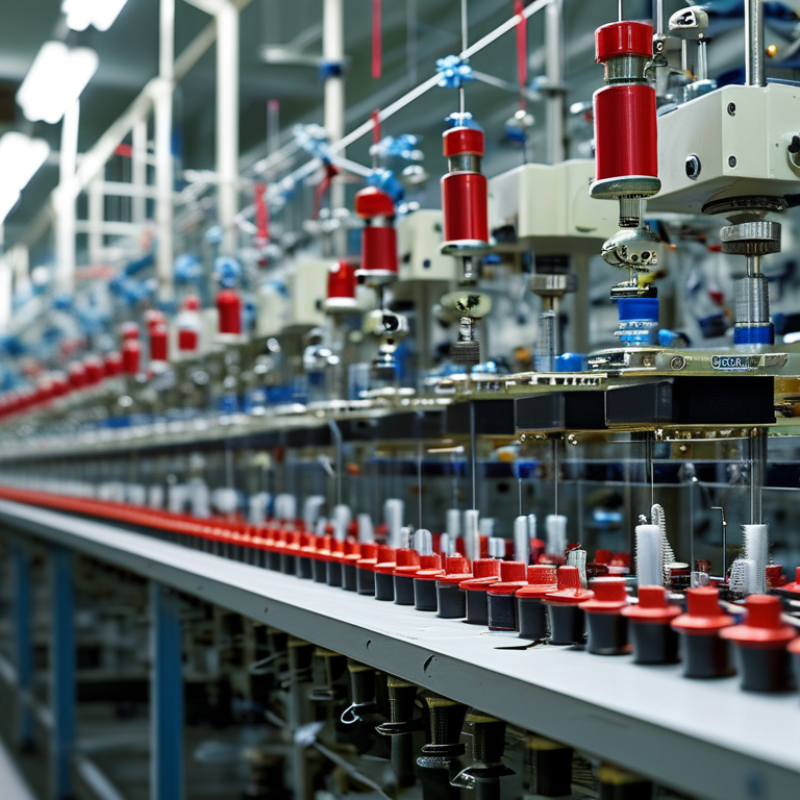
Textile laboratory equipment plays a crucial role in maintaining quality standards in fabric production. Accurate testing ensures that textiles meet safety and performance requirements. Reliable equipment helps identify issues early in production, reducing waste and costs. When tests are consistent, manufacturers gain trust from consumers.
Various instruments, such as tensile testers and colorfastness machines, enable thorough analysis. These devices measure the strength and durability of fabrics. Each piece of equipment serves a purpose that impacts the final product. However, improper use of these tools can lead to flawed results. Routine maintenance and operator training are key areas often overlooked.
In an industry where precision is vital, the importance of skilled professionals cannot be overstated. Experienced technicians can interpret results accurately. They bring insights from testing that drive improvements in manufacturing. Yet, many facilities underestimate the value of a well-trained team. Prioritizing both equipment and personnel is essential for achieving excellence in textile quality testing.
Essential Features to Look for in Testing Equipment
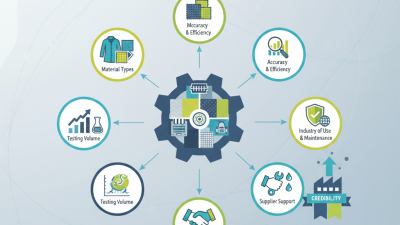
When choosing textile laboratory equipment, it's crucial to consider essential features.
First, accuracy plays a pivotal role in testing solutions.
Equipment should provide precise measurements. This reliability enhances the credibility of your results.
Calibration options ensure ongoing accuracy over time.
Usability is another vital factor. Equipment should be user-friendly.
A clear interface reduces the likelihood of errors during testing.
Additionally, versatility matters. Instruments that can conduct multiple types of tests can save time.
This adaptability is valuable in a busy lab environment.
Durability is equally important. Textile testing equipment should withstand regular use without
compromising performance. Adverse conditions can lead to malfunctions, causing delays in testing.
Regular maintenance and support options should be considered, too. This can improve the longevity of your equipment.
Ultimately, investing in the right features can significantly enhance the efficiency of textile testing.
Top 10 Textile Laboratory Equipment for Comprehensive Analysis
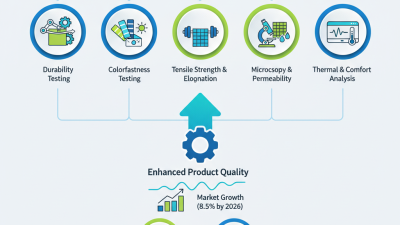
Textile laboratories require specific equipment to conduct thorough analyses. The right tools ensure accuracy and reliability in testing. Efficient testing solutions lead to better product quality and performance. A comprehensive analysis assesses characteristics, such as strength, durability, and absorbency.
To achieve accurate results, consider using advanced tensile testers. These devices measure fabric strength under stress. Ensure that you calibrate your equipment regularly. Calibration improves measurement accuracy and extends the lifespan of your tools.
Another vital piece of equipment is the color fastness tester. This tool evaluates how resistant a fabric's color is to washing, light, and rubbing. Its results guide manufacturing processes. Always document your tests carefully. Proper documentation helps track any anomalies and facilitates better decision-making.
Finally, embrace new technologies like digital moisture meters. They accurately determine fabric moisture content, influencing dyeing and finishing processes. Staying updated with emerging technologies improves testing efficiency. Keep an open mind to re-evaluate your testing methods regularly. Reflecting on your practices can uncover areas for improvement.
Top 10 Textile Laboratory Equipment for Efficient Testing Solutions
This bar chart represents the efficiency rating of the top 10 textile laboratory equipment based on various testing parameters. The data illustrates how each equipment stands out in providing effective testing solutions in the textile industry.
Innovative Technologies in Textile Testing Solutions
Innovative technologies are transforming textile testing solutions. These advancements enhance accuracy and efficiency in laboratories. For instance, automated testing machines now reduce human error significantly. With rapid data collection, these tools save time and enhance productivity.
Laser technology has emerged as a game-changer in fabric inspection. It detects flaws at unprecedented speeds. However, implementing such technology can be challenging. Training personnel is essential to maximize its benefits. Furthermore, integrating data analytics into testing processes improves decision-making.
Despite these advancements, some traditional methods remain relevant. They provide a baseline for comparison. Relying solely on cutting-edge technology could lead to oversight. Balancing innovation with established practices creates a holistic approach to textile testing. This ensures a reliable assessment of material quality. After all, the goal remains clear: to achieve precision in every test.
Cost-Effective Options for Textile Laboratory Equipment
In the textile industry, efficiency is key. Cost-effective laboratory equipment plays a crucial role in achieving reliable testing results. A recent report by the International Textile and Apparel Association highlights that investing in high-quality testing tools can significantly reduce errors. This can lead to better fabric quality and enhanced production processes.
When selecting equipment, consider options that balance affordability and reliability. Basic instruments such as digital fabric testers and moisture meters are essential. They provide accurate insights into fabric performance without straining your budget. According to the Textile Research Journal, using precise testing methods can improve durability assessments by up to 30%.
**Tip:** Always compare prices among suppliers. Small differences can save money long term. Training staff on equipment use is equally valuable. Not all labs operate at peak efficiency. Lack of proper knowledge can lead to underutilization of tools.
Additionally, maintaining equipment regularly ensures longevity and consistent performance. The American Society for Testing and Materials emphasizes that a well-trained lab team yields more accurate results. Regular calibration of machines increases reliability, even if this requires additional initial investment.
Top 10 Textile Laboratory Equipment for Efficient Testing Solutions
| Equipment Name |
Testing Purpose |
Price Range (USD) |
Features |
| Fabric Strength Tester |
Tensile strength testing |
$1,000 - $5,000 |
Digital readout, adjustable speed |
| Color Fastness Tester |
Colorfastness under various conditions |
$500 - $3,000 |
Multi-condition testing, easy to use |
| Loom Simulator |
Weaving process simulation |
$800 - $4,000 |
Adjustable looms, training capabilities |
| Thermal Conductivity Tester |
Heat retention measurements |
$1,200 - $6,000 |
User-friendly interface, accurate results |
| Motive Force Tester |
Force measurement during fabric treatment |
$750 - $3,500 |
Compact design, high precision |
| Water Repellency Tester |
Assessing water resistance |
$600 - $2,500 |
Easy setup, fast results |
| Fabric Abrasion Tester |
Durability testing for fabrics |
$1,500 - $7,000 |
Robust design, multiple testing cycles |
| Shrinkage Tester |
Measuring fabric shrinkage |
$400 - $1,800 |
Simple operation, consistent accuracy |
| Moisture Management Tester |
Analyzing moisture transfer in fabrics |
$700 - $3,200 |
High precision, versatile use |





 Home
Home